

The world’s most pressing problems do not fit neatly into a single academic department. Climate change sits at the intersection of science, economics, and policy. Healthcare innovation requires biology, engineering, and ethics.
Building a technology company demands both technical fluency and business acumen. The students who are best equipped to tackle these challenges are not those who specialized deeply in one thing, but those who were trained to think across boundaries.
This is precisely why interdisciplinary programs at top US universities are among the most exciting and sought-after undergraduate experiences available today.
MIT claimed the top spot in the Times Higher Education Interdisciplinary Science Rankings for the second consecutive year in 2026, followed by Stanford, Caltech, and UC Berkeley, in an all-American top four, reflecting just how seriously the United States takes cross-disciplinary education at the highest level.
Here are six programs that are not just teaching students across subjects; they are fundamentally redefining what a career can look like.
1. Jerome Fisher Program in Management and Technology, University of Pennsylvania

If there is one undergraduate program that has most successfully demolished the wall between business and engineering, it is Penn’s Jerome Fisher Program in Management and Technology, known simply as M&T.
The Jerome Fisher Program in Management and Technology is the oldest coordinated dual-degree program at the University of Pennsylvania, combining two of Penn’s greatest assets, Penn Engineering and the Wharton School, into one educational experience.
Students pursue degrees from both schools concurrently, graduating with a Bachelor of Science in Economics from Wharton and either a Bachelor of Science or Bachelor of Applied Science in Engineering.
The program was founded in the late 1970s when the School of Engineering’s Board of Overseers emphasized the growing need for graduates who could bridge the gap between management and technical disciplines. Since then, it has attracted exceptional students from around the world and grown far more rapidly than originally anticipated.
The program admits fewer than 60 students each year and works hard to foster a close community. Students are encouraged to learn and collaborate, and the program seeks academic excellence, extracurricular engagement, a passion for both business and technology, and evidence of interdisciplinary investigation.
For students who want to build technology companies, lead product teams, or work at the intersection of engineering and strategy, M&T provides an education that simply cannot be replicated by studying either subject alone.
2. Human Biology – Stanford University
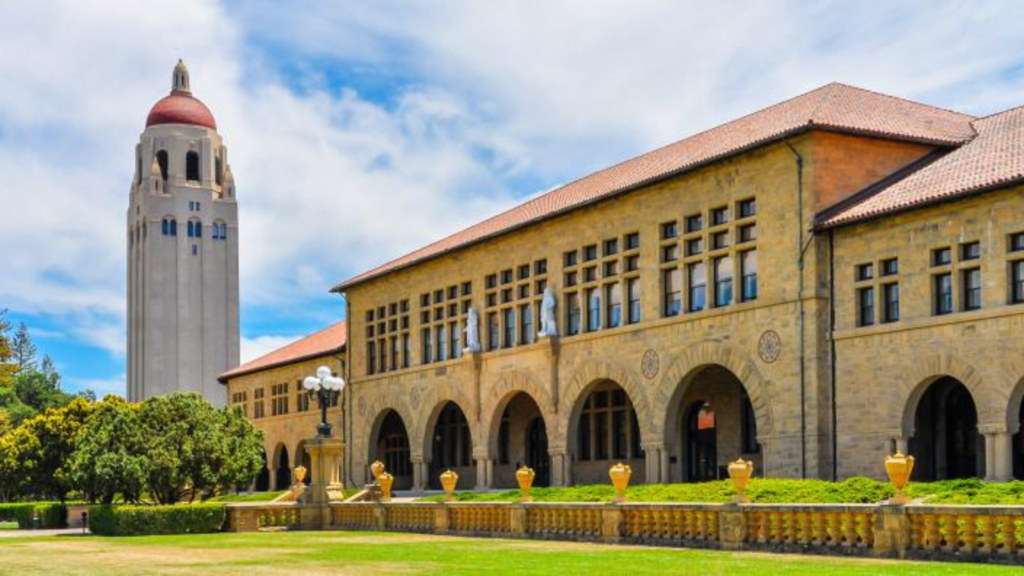
Stanford’s Human Biology program is one of the most beautifully designed interdisciplinary majors in the world, and it is changing the way students think about careers in medicine, public health, policy, and social science. The undergraduate program in Human Biology provides students with an interdisciplinary approach to understanding human beings from biological, behavioral, social, and cultural perspectives.
Core courses train students to approach significant problems from a range of perspectives, and as they progress through the major, each student pursues an individualized course of study that draws upon disciplines across the university and promotes a nuanced understanding of a substantive area.
Human Biology is a distinctive Stanford major requiring a minimum of 86 units that combines biological sciences with social sciences and humanities to address complex health and society questions. The program includes a mandatory internship component that provides students with real-world experience in healthcare, public health, or biomedical research.
What makes Human Biology uniquely powerful is its insistence that health and medicine cannot be understood purely through a scientific lens.
Students who graduate from this program are equipped to work across clinical settings, policy institutions, research environments, and global health organizations, often taking on roles that purely science-trained or purely social science-trained graduates cannot.
3. Computational and Systems Biology MIT
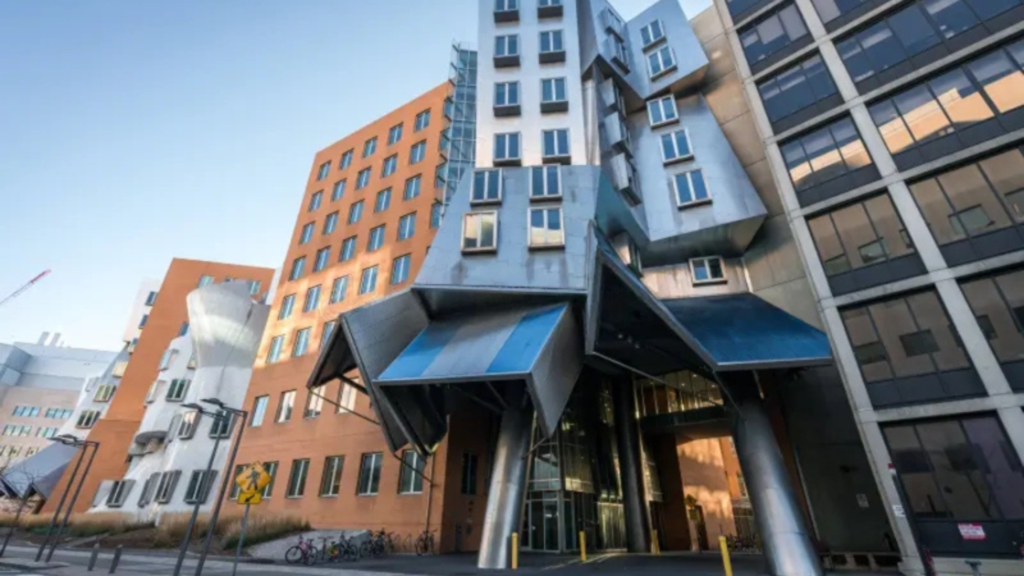
At MIT, the Computational and Systems Biology program represents one of the most forward-looking interdisciplinary degrees available anywhere in the world. The field of computational and systems biology represents a synthesis of ideas and approaches from the life sciences, physical sciences, computer science, and engineering.
Recent advances in biology, including the Human Genome Project and massively parallel approaches to probing biological samples, have created new opportunities to understand biological problems from a systems perspective. The Computational and Systems Biology program integrates MIT’s world-renowned disciplines in biology, engineering, mathematics, and computer science.
This program places students directly at the frontier of one of the most consequential fields in modern science. Graduates are going on to careers in pharmaceutical development, AI-driven drug discovery, biotech entrepreneurship, and academic research fields that barely existed in their current form a decade ago.
US institutions occupy 18 of the top 50 places and 24 of the top 100 in the 2026 Times Higher Education Interdisciplinary Science Rankings, and MIT’s computational biology infrastructure sits at the heart of that dominance.
For students who want to be at the cutting edge of biology, technology, and medicine, this program is among the most compelling options in the world.
4. Bioengineering – Harvard School of Engineering and Applied Sciences
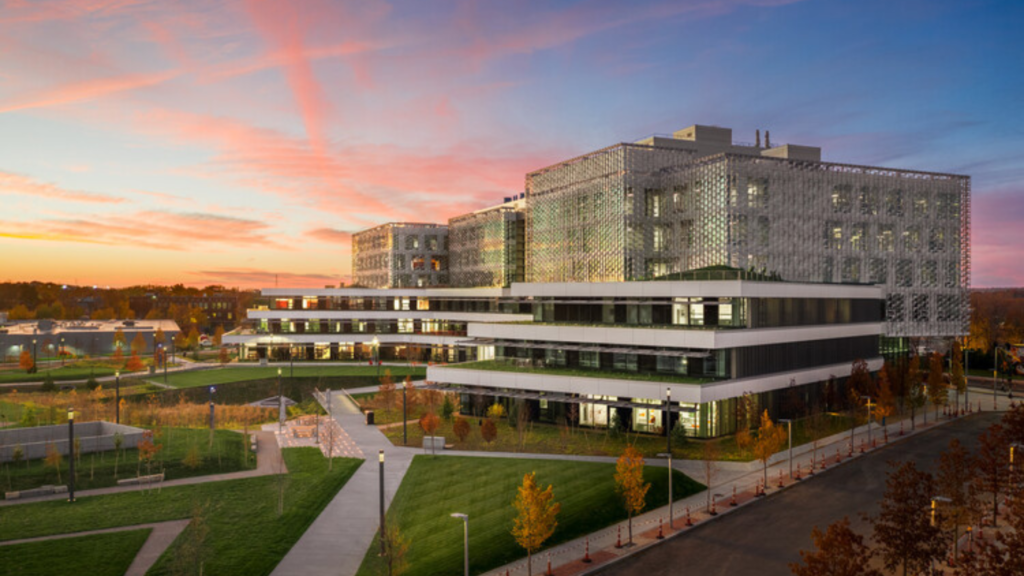
Harvard’s Bioengineering program at the School of Engineering and Applied Sciences is where engineering meets medicine at one of the most well-resourced research environments in the world. Bioengineering at Harvard SEAS is inherently interdisciplinary, combining faculty and research centers from across the campuses and Harvard teaching hospitals.
The program integrates fundamental engineering disciplines, such as thermodynamics and fluid mechanics, with the physical and life sciences, drawing on mathematics and computational sciences. This convergence allows students to understand the operation of living systems and to design novel solutions to critical problems in medicine and biology.
Bioengineers at Harvard are advancing bioinspired robotics and computing, biomechanics and motor control, cell and tissue engineering, biomaterials, and therapeutics.
Students in this program benefit from direct access to Harvard’s affiliated teaching hospitals, including Massachusetts General Hospital and Brigham and Women’s Hospital, creating a research pipeline that few undergraduate programs worldwide can match.
For students drawn to the idea of designing medical devices, developing new therapies, or working at the intersection of biology and AI, Harvard Bioengineering offers an education that is both clinically grounded and technically rigorous.
5. Gallatin School of Individualized Study – New York University
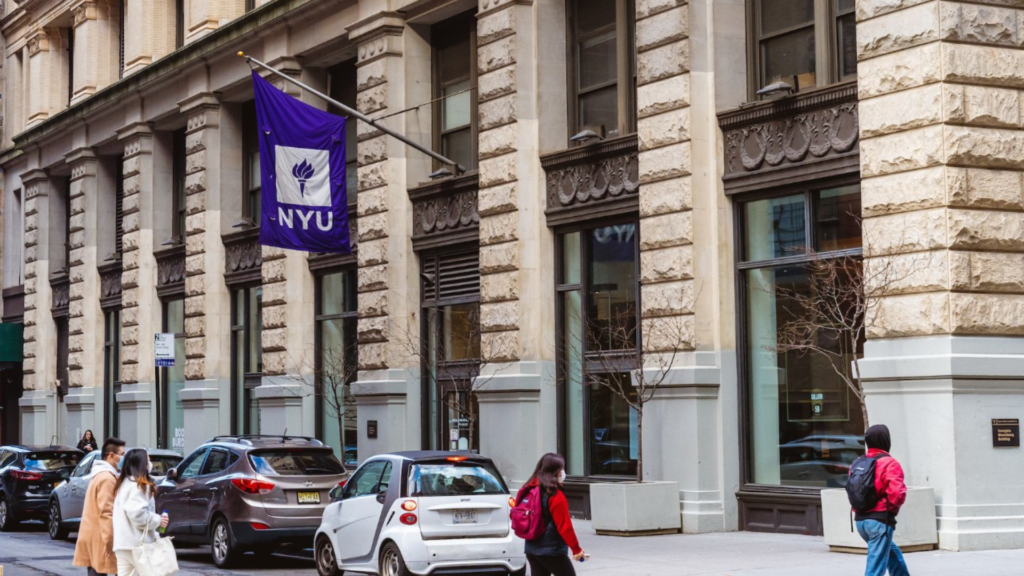
Not every interdisciplinary program tells you which subjects to combine. NYU’s Gallatin School of Individualized Study goes further than any other program on this list by giving students the freedom to design their own education entirely, and its graduates are building careers that defy conventional description.
The Gallatin School of Individualized Study provides a distinctive liberal arts education for a dynamic student body, with flexible degree requirements and an array of seminar-style, interdisciplinary courses. As a Gallatin student, you have the freedom to combine innovative course offerings at Gallatin with hundreds of classes taught across NYU each semester by some of the country’s leading scholars, researchers, and professionals.
The school was founded in 1972 as the University Without Walls, encouraging students to create their own individualized studies, work closely with faculty, initiate unique projects, and experiment across disciplines and professions.
Over the next three decades, this experiment developed into a finely tuned educational approach that has acquired a national reputation for its unique combination of flexibility and high standards.
Gallatin students design an interdisciplinary concentration that draws on courses from the departments and programs across NYU’s schools and colleges. Many students are interested in creating programs addressing issues of globalization, human rights, social entrepreneurship, international economic development, media and communication, public health, environmental studies, and the visual and performing arts.
In a city like New York, this kind of radical academic flexibility translates into extraordinary professional possibilities.
6. Interdisciplinary Science – Duke University
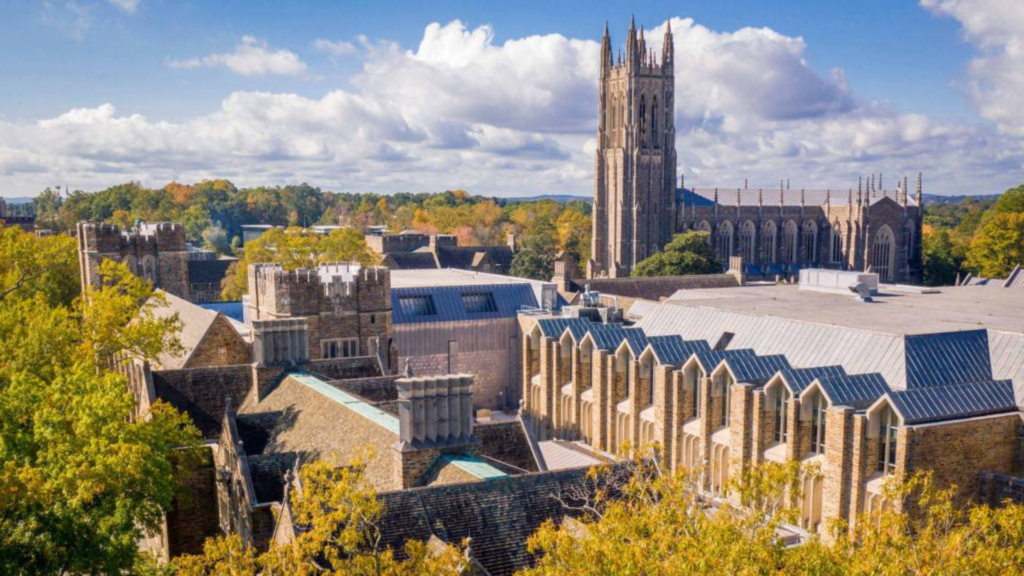
Duke’s commitment to interdisciplinary education is embedded at the institutional level and is evident in both its research output and student outcomes. Duke University placed sixth in the 2026 Times Higher Education Interdisciplinary Science Rankings, making it one of the highest-ranked universities in the world for the quality and breadth of its cross-disciplinary scientific work.
Duke’s Bass Connections program is one of the most innovative models of interdisciplinary education in the US, connecting undergraduates, graduate students, and faculty around real-world research challenges spanning science, social science, policy, and the arts.
Students work in teams to tackle questions in areas including global health, information, society and culture, and brain and society, earning credit for research with genuine external impact.
Combined with Duke’s signature program of study, which allows students to pursue flexible curricular pathways across departments, and its location within the Research Triangle, one of the most dynamic innovation ecosystems in the United States, a Duke education consistently produces graduates who can operate across sectors, disciplines, and industries with unusual confidence.
Why Interdisciplinary Programs Matter for Your Application

Understanding that these programs exist is one thing. Knowing how to position yourself as a strong applicant to them is another challenge entirely.
A Georgetown University report highlights an average 18% salary increase over five years for graduates with interdisciplinary skills, and employers increasingly seek professionals who can think critically, communicate effectively, and solve problems from multiple perspectives.
The students who win places in programs like M&T, Human Biology, and Gallatin are not just academically strong; they have a clear sense of why crossing disciplinary boundaries matters to them, and they have spent years building experiences that demonstrate it.
They have pursued interests in two different fields simultaneously. They have found the places where those interests connect. And they have told that story compellingly in their applications.
At Essai, helping students develop that kind of clarity and narrative is exactly what we do. Whether you are drawn to technology and business, science and policy, or something entirely your own, our team works with you from the earliest stages of profile building to craft an application that communicates genuine intellectual direction.
Visit essai.in/consult to start building the interdisciplinary profile that opens the right doors.
Essai has supported hundreds of students into offers at top US and UK universities since 2014. Our personalized approach is designed to help every student find and tell their most compelling story.