

Some of the most consequential work happening in the world today takes place not in boardrooms or laboratories, but in policy offices, international organizations, and government ministries.
The people shaping climate agreements, global health frameworks, trade policy, and humanitarian responses to conflict are overwhelmingly those who studied the right subjects at the right institutions and built the right networks early.
If you are a student with a genuine interest in how the world is governed, how decisions at institutional levels affect millions of lives, and how you can be part of shaping those decisions, then a public policy or international affairs program at a top US university is one of the most powerful foundations you can build.
In 2026, the demand for public policy professionals remains robust, as governments, NGOs, and the private sector increasingly seek experts to navigate complex policy environments. Emerging areas such as climate policy, healthcare reform, and digital privacy offer diverse opportunities for career growth.
Here are seven programs that take students directly into that world.
1. Princeton School of Public and International Affairs — Princeton University
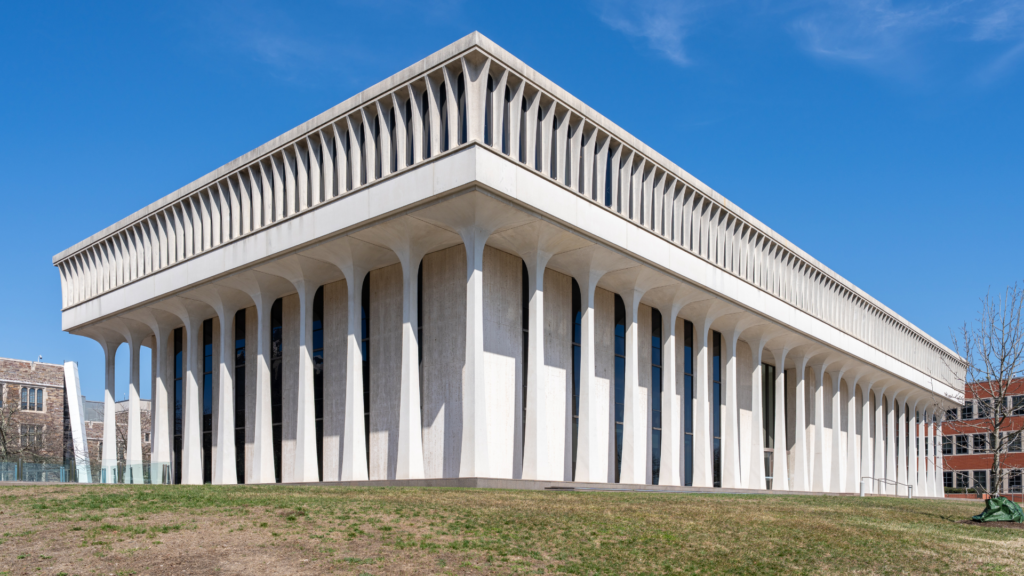
Princeton’s School of Public and International Affairs, known as SPIA, is one of the most distinctive undergraduate programs in the United States for students serious about public service and international affairs. SPIA offers a multidisciplinary liberal arts major for students interested in public service and leadership in public and international affairs.
Students acquire the tools, understanding, and habits of mind necessary to pursue policy problems of their choosing, with the major structured to provide disciplinary breadth and intellectual depth across a range of disciplinary or thematic areas.
SPIA’s undergraduate career development provides support to students interested in governmental and non-governmental public service jobs and internships, including career advice, weekly job and internship leads, career panels, and networking opportunities with alumni, and funding for unpaid summer public service internships.
Students have visited the White House and met with officials from the Domestic Policy Council and the National Economic Council as part of SPIA’s annual Undergraduate Policy Day in Washington, D.C., a level of real-world access that is almost unparalleled for undergraduates.
2. Walsh School of Foreign Service — Georgetown University
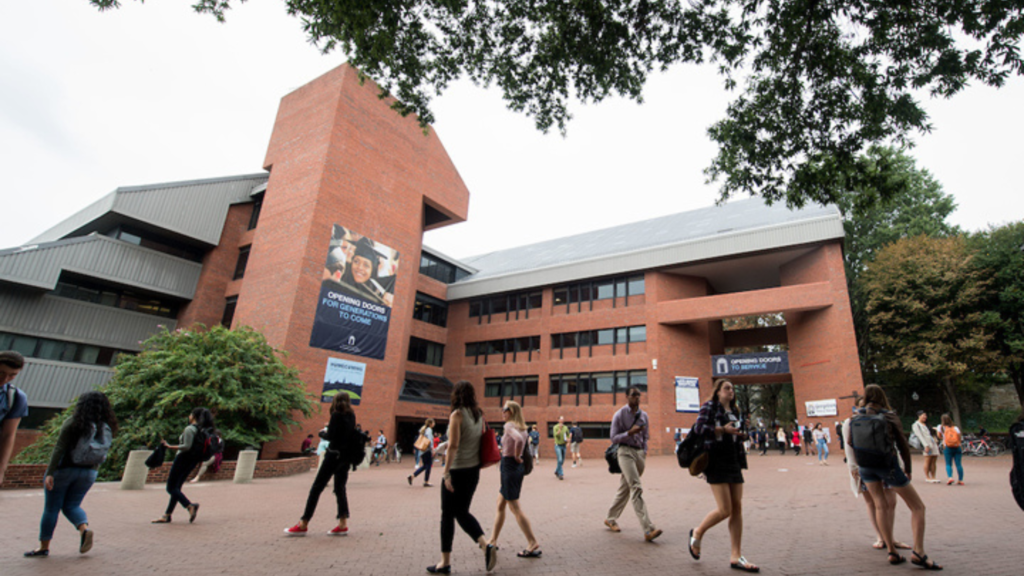
Georgetown’s Walsh School of Foreign Service is the oldest continuously operating school for international affairs in the United States, and its undergraduate program has been producing global policy leaders for over a century.
The Walsh School of Foreign Service was founded in 1919, predating the US Foreign Service by six years, and offers a rigorous education grounded in both theory and practice while instilling the Jesuit value of service.
The Bachelor of Science in Foreign Service offers an interdisciplinary liberal arts core curriculum that grounds eight majors: culture and politics, global business, international economics, international history, international political economy, international politics, regional and comparative studies, and science, technology, and international affairs.
Located in Washington, D.C., the school’s location is itself a career asset. Georgetown SFS graduates go on to careers at organizations including Deloitte, the US Department of State, and Goldman Sachs, reflecting the extraordinary range of sectors that value an SFS education.
For students with a clear interest in diplomacy, international policy, or global governance, Georgetown SFS is one of the most direct routes available.
3. Harvard Kennedy School — Undergraduate Pathways
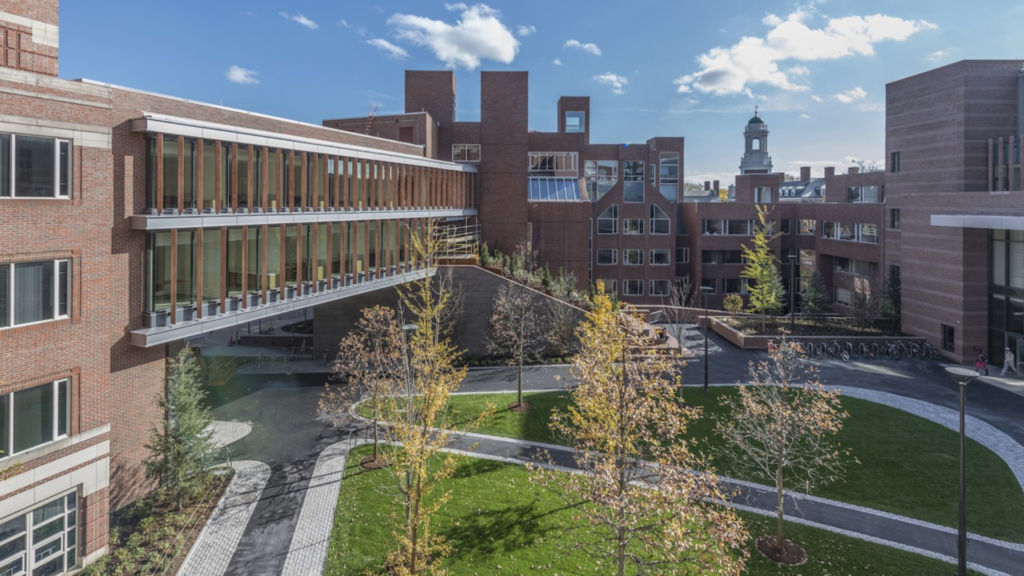
Harvard Kennedy School does not offer an undergraduate degree, but it provides some of the most prestigious and career-defining undergraduate pathways into public policy available anywhere in the world.
The Public Policy and International Affairs Program Junior Summer Institute at Harvard Kennedy School accepts 15 summer scholars annually in a program that aims to provide a snapshot of the public policy graduate student experience at HKS, including courses in economics, statistics, race and racism, and policy design, with a focus on developing critical thinking, analytical abilities, and communication skills central to public service leadership.
One unique feature of the Harvard JSI program is the Public Policy Incubator, an opportunity for small groups of students to select a policy issue they care about and dedicate their summer to designing, developing, and testing innovative solutions, including mastering the art of crafting policy memos.
The annual Harvard Kennedy School Public Policy Leadership Conference brings together talented undergraduates from across the country who are interested in pursuing graduate studies in public policy, with all costs covered by HKS.
For students building toward a graduate-level public policy career at the highest levels, engaging with HKS as an undergraduate is one of the most valuable steps you can take.
4. Columbia School of International and Public Affairs — Columbia University
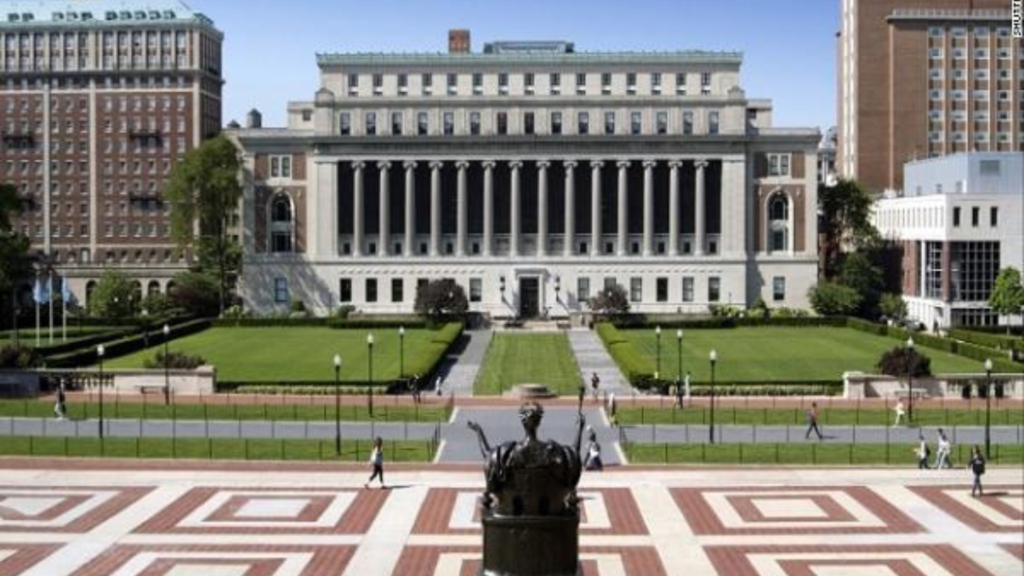
Columbia SIPA is one of the world’s foremost institutions for international affairs and public policy, and its connection to the broader Columbia University ecosystem makes it uniquely powerful for ambitious students.
For more than 6 decades, Columbia SIPA has been educating professionals working in public, private, and nonprofit organizations to make a difference in the world.
Through rigorous social science research and hands-on practice, SIPA’s graduates and faculty strive to improve social services, advocate for human rights, strengthen markets, protect the environment, and secure peace in their home communities and around the world.
The curriculum culminates in required workshops in which student teams address a wide range of policy and strategy issues for clients ranging from multilateral financial institutions to city governments and NGOs worldwide. In a typical year, SIPA student teams pursue more than 80 different projects in two dozen countries.
SIPA offers a five-year joint degree program for Columbia undergraduates, leading to a BA and an MIA or MPA, making it one of the most efficient pathways to a globally recognized graduate credential in public policy for students who know their direction early.
SIPA alumni include former heads of state, business leaders, journalists, diplomats, and elected representatives, with half of SIPA’s nearly 1,400 students international, representing over 100 countries.
5. Goldman School of Public Policy — UC Berkeley
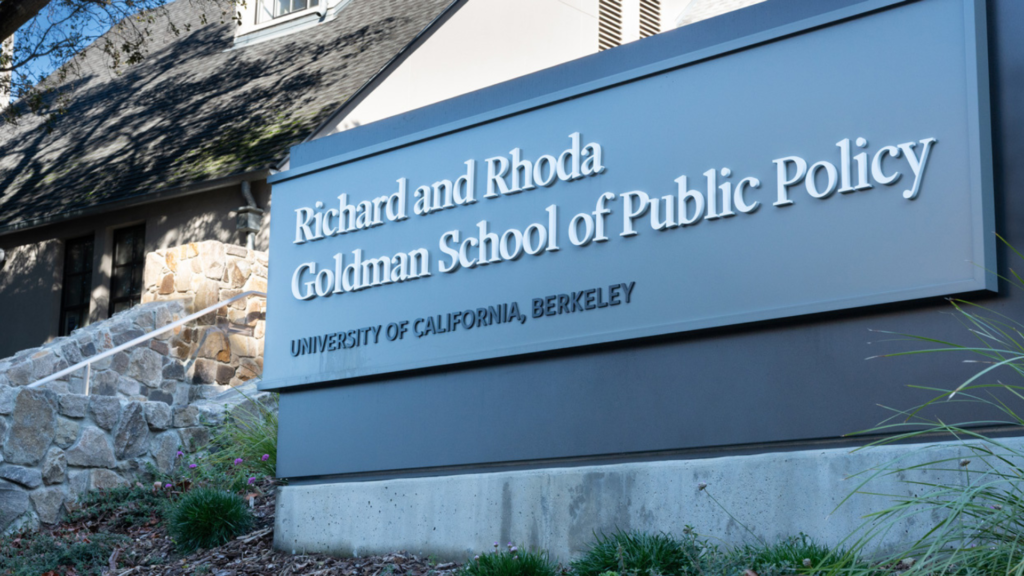
UC Berkeley’s Goldman School of Public Policy brings together rigorous quantitative training, a commitment to social justice, and direct access to one of the most dynamic policy ecosystems in the United States.
The Goldman School of Public Policy prepares students for careers in policy analysis, program evaluation, political leadership and management, and planning, with graduates enjoying an outstanding employment and career advancement rate, working in government, the private and nonprofit sectors, research organizations, and as consultants worldwide.
The Goldman School regularly offers a variety of courses for undergraduates, and with five of these courses, including Public Policy 101, undergraduates qualify for a minor that is noted on their transcript.
Employers and graduate schools recognize a completed minor as indicative of broader preparation than a single degree. The Goldman School also offers the NextGen Summer Policy Academy, an innovative, fully funded three-week program for college juniors who have demonstrated an interest in public service, taking place in Washington, D.C., and then at one of three partner institutions.
With a robust network of over 3,000 alumni worldwide, the Goldman School stands at the forefront of public policy, public affairs, and development practice, enabling students to gain access to expanded career pathways and invaluable connections across government, nonprofit, and private sectors, both domestically and internationally.
6. George Washington University — Trachtenberg School of Public Policy and Public Administration
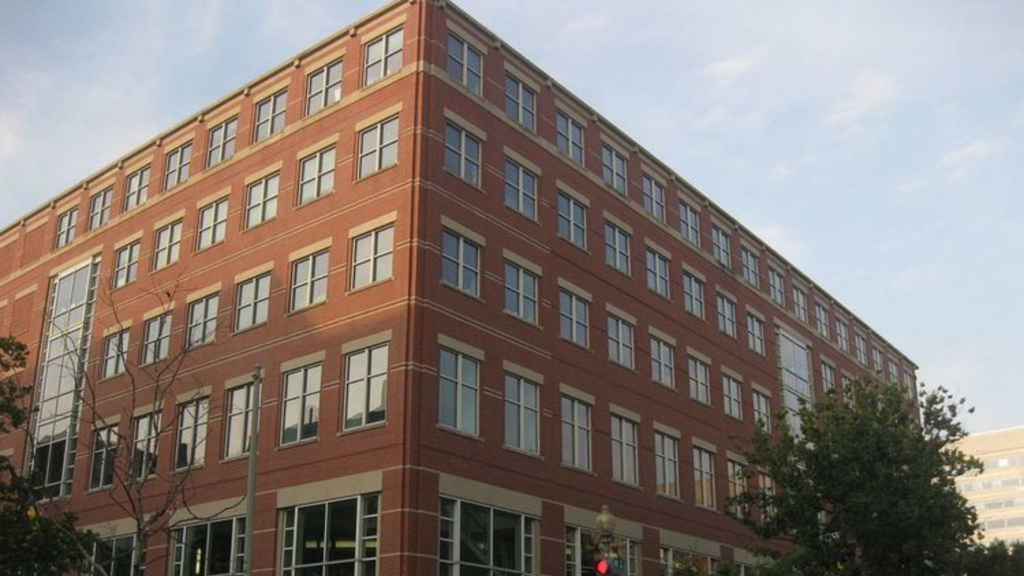
For students whose policy ambitions are specifically oriented toward Washington, D.C., and the machinery of US and global governance, the George Washington University’s Trachtenberg School is one of the most strategically located programs in the country.
The Trachtenberg School ranked seventh nationally in International and Global Policy and Administration in the 2026 US News and World Report rankings, eleventh in Homeland Security and Emergency Management, and twelfth overall in Public Affairs.
These rankings reflect a program that takes the practical dimension of policymaking extremely seriously, placing students directly into the internships, agencies, and networks that define careers in public service.
In the Trachtenberg School’s top-ranked degree programs, students gain knowledge, networks, and experience that advance their careers in government, nonprofit, and business settings, while building interdisciplinary toolkits that are relevant across all sectors.
The school’s Washington D.C. location means that government agencies, international organizations, and think tanks are not just career destinations; they are part of the classroom.
7. Stanford University — Interdisciplinary Public Policy Pathway
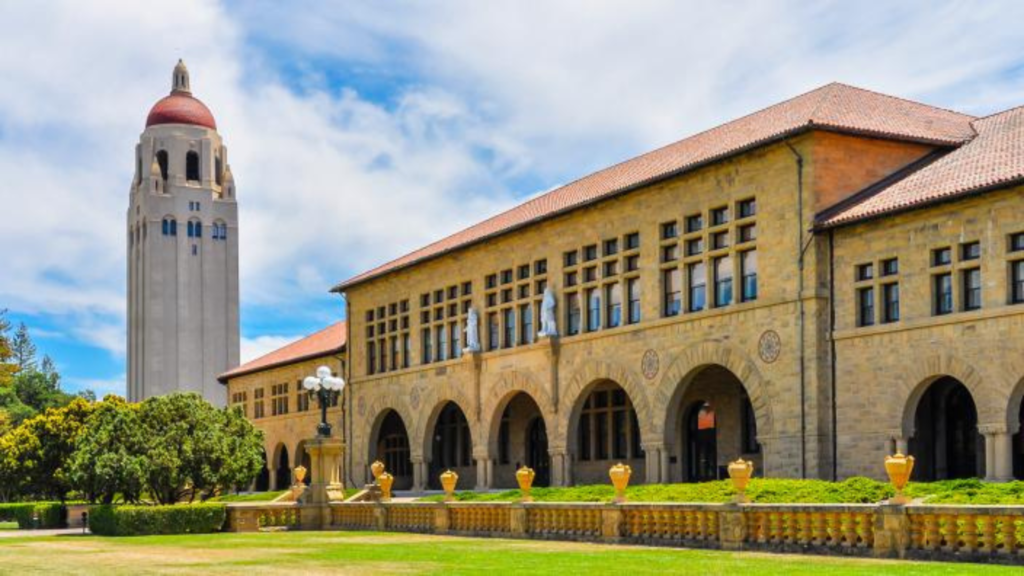
Stanford does not have a standalone undergraduate school of public policy, but its interdisciplinary approach to policy education is among the most innovative in the United States.
Stanford’s approach to public policy combines an interdisciplinary curriculum with an emphasis on technology and innovation, preparing graduates for careers at the intersection of policy, science, and global leadership.
Students at Stanford can pursue public policy through programs spanning the School of Humanities and Sciences, the School of Earth, Energy and Environmental Sciences, and the Freeman Spogli Institute for International Studies, one of the world’s leading research institutes for global policy questions.
Stanford’s proximity to Silicon Valley also means that its public policy graduates are uniquely positioned at the intersection of technology governance and international affairs, a combination that is increasingly critical as digital policy becomes one of the defining challenges of the 21st century.
For students interested in technology policy, climate governance, or global health, Stanford’s interdisciplinary model offers an education unlike anything else.
Choosing the Right Program for Your Goals
Every program on this list is exceptional, but in different ways. Princeton and Georgetown offer undergraduate degrees with a direct policy focus. Harvard, Berkeley, and Stanford offer powerful pathways and minors that feed into world-class graduate programs. Columbia offers a direct five-year undergraduate-to-graduate pipeline. GWU puts you at the center of US policymaking from day one.
The students who make the most of these opportunities are those who arrive with a clear sense of which policy problems they care about, why they care about them, and how their specific academic and personal background connects to the work they want to do. That clarity does not develop overnight; it is built through deliberate choices made years before the application.
At Essai, this is precisely what we help students develop. From identifying the right program pathways to crafting the application essays that communicate genuine policy intent, our team has supported students into programs at Princeton, Georgetown, Columbia, and beyond.
Visit essai.in/consult to start building the profile that opens the right doors in global public policy.