
In an era when students can choose among Europe, Canada, Australia, Asia, and emerging global hubs, one destination continues to dominate the conversation: the United States.
Despite policy shifts, global uncertainty, and increasing competition in international education, the US remains home to over 1 million international students, according to Open Doors data published by the Institute of International Education (IIE).
Why?
Because US universities have evolved. They are not just degree-granting institutions anymore. They are ecosystems of innovation, ambition, diversity, and opportunity.
Let’s explore 7 powerful reasons US universities are attracting more global students than ever and why that momentum continues to build.
1. World-Class Academic Prestige and Global Recognition
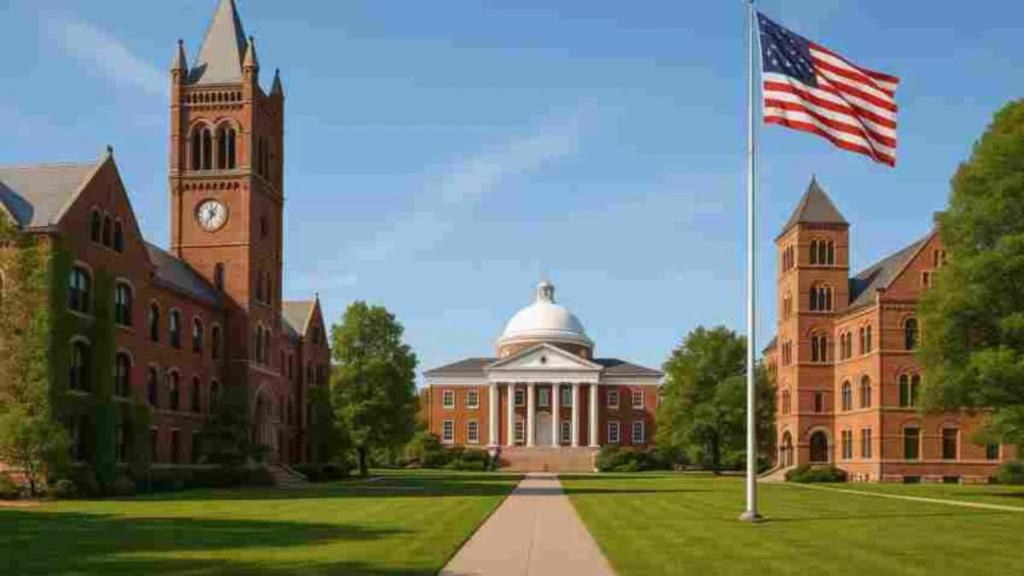
There’s no denying it, the global reputation of US universities remains unmatched.
From public research institutions to private universities, the US consistently leads global rankings. According to QS World University Rankings, US institutions regularly dominate the top 20 globally.
But rankings alone are not the real magnet.
The real draw is this: a US degree travels well. Employers across continents recognize its rigor. Graduate schools worldwide respect it. Governments value it.
For international students, that recognition translates into long-term mobility and career leverage.
And in a competitive global economy, that leverage matters.
2. Flexible and Diverse Academic Pathways

Unlike many education systems that demand early specialization, US universities allow intellectual exploration.
Students can:
- Change majors.
- Double major.
- Add minors.
- Explore interdisciplinary programs.
- Combine STEM with humanities.
- Take electives outside their core field.
This flexibility is revolutionary for students who are still discovering where their curiosity lies.
According to IDP Education, academic flexibility remains one of the top reasons students choose the US.
Instead of locking students into rigid academic tracks at 17 or 18, US universities encourage exploration before commitment.
For globally minded students, that freedom is empowering.
3. Research Opportunities at an Unmatched Scale

The United States invests billions of dollars annually in university research across fields such as AI, climate science, healthcare, engineering, and economics.
This funding trickles down into undergraduate and graduate opportunities.
At many US institutions, even undergraduates can:
- Join research labs.
- Assist in faculty-led projects.
- Publish papers.
- Present at conferences.
- Contribute to innovation initiatives.
That level of early exposure is rare globally.
International students are not just attending lectures; they are contributing to knowledge creation.
And in 2026, as AI, biotech, and sustainability reshape the world, students want to be at the frontier, not just studying about it.
4. Post-Study Work Opportunities

Let’s be honest. Students and families think about return on investment.
The US offers structured post-study pathways such as Optional Practical Training (OPT), allowing international graduates to gain professional experience in their field.
STEM graduates can extend OPT for up to 24 additional months.
Beyond policy frameworks, US universities maintain deep ties with industry:
- Silicon Valley tech giants.
- Wall Street financial institutions.
- Global consulting firms.
- Biotech leaders.
- Startup ecosystems.
Internships are integrated into academic programs. Career fairs connect students to recruiters early. Alumni networks open doors.
This combination of academic training + professional access makes the US incredibly attractive.
Students are not just earning degrees; they are building careers.
5. Exposure to Cultural Diversity and Global Communities

US campuses are microcosms of the world.
In a single classroom, you may find students from India, China, Brazil, Nigeria, Germany, and the United States itself.
This diversity is not accidental. It is institutionalized. Universities actively recruit global talent.
According to Open Doors data, international students represent a significant and growing portion of graduate enrollments in many US programs.
For international students, this means:
- Exposure to multiple perspectives.
- Collaboration across cultures.
- Building international friendships.
- Learning to navigate diverse environments.
In a globalized workforce, cultural intelligence is not optional. It is essential.
US universities become training grounds for that adaptability.
6. Entrepreneurial Ecosystems and Innovation Culture
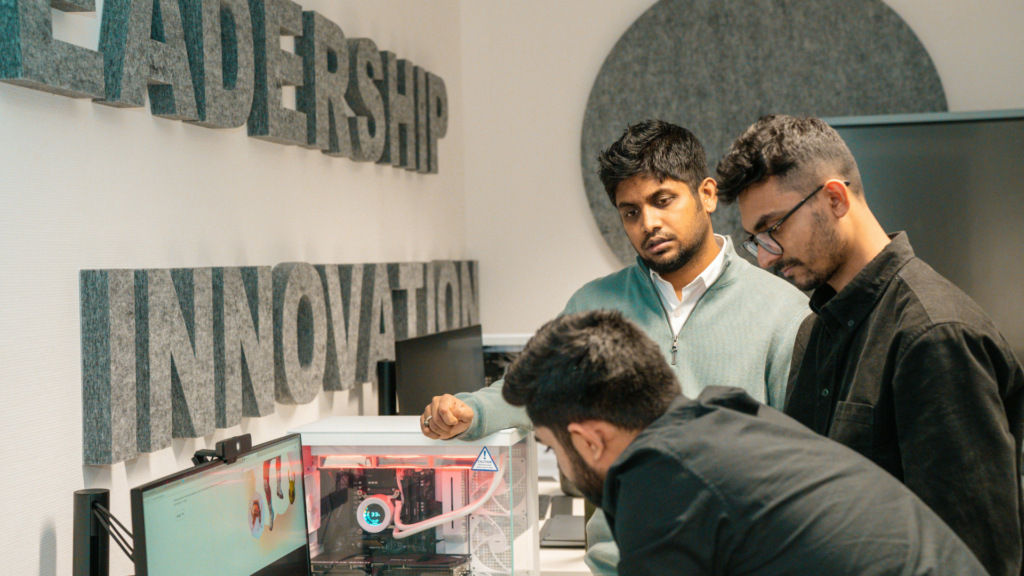
If there’s one word that defines US higher education, it is innovation.
American universities do not simply prepare students for jobs — they prepare them to create industries.
From startup incubators to venture capital partnerships, entrepreneurship is embedded within campus culture.
Students can:
- Pitch startup ideas.
- Access mentorship.
- Join incubator programs.
- Compete in innovation challenges.
- Launch companies before graduation.
Many global unicorns have roots in US university ecosystems.
For ambitious international students, this environment signals possibility.
The message is subtle but powerful:
You don’t just attend a university here. You build something.
7. Economic and Personal Growth Opportunities

Beyond academics, studying in the US offers invaluable personal and economic development experiences, including:
- Hands-on internships with leading companies
- Clubs, competitions, and leadership forums
- Exposure to cutting-edge startup cultures and innovation hubs
- Chance to build soft skills in cross-cultural environments
These life skills, confidence, communication, collaboration, and creativity, are often the hidden differentiators that make global graduates stand out in any job market.
What This Means for Future Global Applicants

Despite occasional headlines about visa policies or enrollment shifts, the appeal of US universities remains powerful, driven by quality, innovation, opportunity, and experience.
Even data sources like the QS Global Student Flows report signal the continued importance of the US as a hub for international education, even amid changing global mobility trends.
For students considering their next step, the US continues to represent a place where academic ambition meets real opportunity, where dreams are forged into careers, and where learning expands into impact.
Final Thought
US universities are more than educational institution;s they’re global ecosystems where knowledge, culture, creativity, and opportunity intersect. And in 2026, that blend continues to draw ambitious students from every continent.
If you’re ready to begin your own global journey, explore the latest advice and application strategies on the Essai Blog, tailored to help students like you navigate international higher education with confidence: https://essai.in/blog/