Submitting your Ivy League College Application is a huge milestone, but it isn’t the end of the road.
If you’ve just hit “submit,” you might be wondering: what now? Is there anything else you can do to support your candidacy? The answer is yes.
In fact, the period after submitting your Ivy League College Application can be just as important as what came before it.
In this blog, we’ll walk you through 10 essential steps to stay proactive, show continued interest, and ensure your application stays strong.
What Happens After You Hit Submit on Your Ivy League College Application?

You did it.
After months of researching colleges, perfecting your essays, gathering recommendation letters, and fine-tuning every section of your Ivy League College Application, you finally clicked “Submit.”
Take a breath. That’s an achievement worth celebrating.
But now what?
While it may feel like the most challenging part is over, the post-submission phase is far from idle.
In fact, how you navigate this period can shape the impression you leave with admissions committees.
These elite schools are looking for students who are not only academically talented but also consistent, thoughtful, and self-aware, qualities you can still demonstrate even after your application has been submitted.
This phase is your opportunity to prepare for interviews, maintain academic excellence, manage stress, and keep open channels with each college.
Instead of obsessively checking portals or falling into “what-if” spirals, use this time strategically.
Why Does the Post-Submission Phase Still Matter?

Ivy League schools operate on a holistic review process.
That means your application isn’t reviewed in a vacuum; context, consistency, and post-submission updates all play a role.
Your continued actions, grades, and correspondence can strengthen or weaken the impression you’ve already made.
Think of this period not as a pause, but as a chance to reinforce your candidacy.
Demonstrating ongoing engagement, academic focus, and emotional maturity can make a difference, especially if your application is borderline or if you’re deferred or waitlisted.
It’s also a time to stay organized.
Application portals, interview requests, financial aid deadlines, and mid-year report submissions can pile up quickly. Being proactive here ensures you won’t miss critical next steps.
Finally, this phase is crucial for your personal growth.
Reflecting on your journey, reconnecting with your passions, and planning for multiple outcomes, including rejections, prepares you for whatever comes next.
Here are the 10 Essential Things to Do After Submitting Your Ivy League College Application to help you stay focused, organized, and confident.
1. Double-Check Submission Portals and Email

Submitting your Ivy League College Application is just the beginning.
What happens next is primarily communicated through each college’s applicant portal and your email inbox.
These two platforms are your primary sources of updates, and neglecting them could result in missed opportunities or incomplete applications.
Most Ivy League schools provide access to an application portal where students can track the status of their submission.
These portals are frequently updated with details about document receipt, interview invitations, financial aid tasks, and application decisions.
It is essential to check these portals regularly to ensure your materials are complete and up to date.
Equally important is your email account.
This is where admissions offices may notify you about missing components, important deadlines, or opportunities to interview.
Colleges expect students to be responsive, and delays in replying to critical messages can reflect poorly on your attentiveness.
Here are key actions to take during this phase:
1. Log into every college’s applicant portal at least once per week
- Monitor whether transcripts, test scores, recommendations, and other documents have been received.
- Review messages or alerts from admissions offices.
- Take note of any checklists or outstanding action items.
2. Check your email account daily, including your spam or junk folder
- Add college admissions domains (e.g., *@admissions.columbia.edu) to your contact list to prevent filtering.
- Create folders or tags for each school to keep emails organized.
- Use a dedicated email account for college communication, if possible, to reduce distractions.
3. Keep a master tracker or spreadsheet
- Record usernames, passwords, and direct links to each portal.
- Track submission confirmations, response dates, and follow-up deadlines.
4. Follow up on any discrepancies or missing items
- If a required component is marked “not received,” contact your school counselor or the relevant testing agency to confirm it was sent.
- Reach out to the admissions office with a polite and concise inquiry if something appears missing or incorrect.
2. Verify Standardized Test Score Delivery and Transcripts

After submitting your Ivy League College Application, your application file remains incomplete until each school receives and processes all required documents, including standardized test scores and academic transcripts.
These supporting materials are typically sent separately and must be monitored closely.
Admissions offices receive thousands of submissions, and it’s common for delays or mismatches to occur.
Without proper follow-up, your otherwise competitive application may be delayed in review or not reviewed at all.
Here’s how to ensure your scores and transcripts are successfully delivered and verified:
1. Confirm Your Standardized Test Scores Have Been Sent
- Log in to your College Board (SAT) or ACT account and check the status of score report deliveries.
- Ensure scores were sent to all Ivy League colleges on your list using the correct institution codes.
- Review whether the colleges require official scores or accept self-reported results initially.
- Take note of delivery timelines; official score reports can take several days to process after being sent.
2. Coordinate with Your School Counselor About Transcripts
- Speak with your counselor to confirm your transcript was sent to each college, either electronically or by mail.
- Ask whether your school uses a platform like Naviance, SCOIR, or Parchment to manage transcript delivery.
- If mid-year reports are required, ensure your counselor is aware of the deadlines (typically in January).
- Double-check if your school sends teacher recommendations separately or alongside the transcript.
3. Monitor Portals and Follow Up on Missing Items
- Log in to each college’s applicant portal to confirm whether transcripts and test scores are marked as received.
- If any materials are listed as “missing” after several business days, follow up respectfully with the admissions office.
- Provide your full name, application ID, and a clear explanation of the item you’re inquiring about.
- Continue checking the portal weekly to make sure the status updates correctly.
Verifying these components may seem procedural, but they are foundational to a complete and timely Ivy League College Application.
Taking initiative here shows the admissions team that you’re responsible and invested in the process.
3. Start Preparing for Possible Interviews

After submitting your Ivy League College Application, you may be contacted for an interview, typically conducted by alumni or admissions representatives.
While not every Ivy League school requires interviews, many offer them to get to know applicants beyond their written materials.
These conversations, even when labeled “informal,” can influence your final evaluation.
The interview is an opportunity to reinforce the story your application tells, to show personality, and to demonstrate interest in the school.
Preparation helps you approach it with clarity and confidence, making a strong and lasting impression.
Here’s how to get ready:
1. Understand the Role of the Interview in the Ivy League Process
- Recognize that Ivy League interviews are evaluative or informational, depending on the school.
- They offer a holistic glimpse of you as a person, beyond grades and test scores.
- The goal is not to quiz you, but to understand your motivations, communication style, and fit for the institution.
- Treat the interview as a conversation with someone who genuinely wants to get to know you.
2. Prepare Your Talking Points in Advance
- Reflect on your academic interests, goals, and what excites you most about learning.
- Be ready to discuss specific reasons why you’re applying to that particular college, mentioning professors, programs, research, or campus culture.
- Practice responding to common questions, such as:
- “Tell me about yourself.”
- “Why are you interested in our university?”
- “What’s been your biggest challenge?”
- “What do you do outside of academics?”
- “Tell me about yourself.”
- Avoid memorized answers. Aim for structured, thoughtful responses that feel natural.
3. Rehearse in a Realistic Setting
- Schedule a mock interview with a mentor, teacher, or admissions advisor (such as through Essai).
- Practice maintaining eye contact, speaking clearly, and pacing your responses.
- Rehearse over a video call if the real interview will be virtual, get comfortable with your setup and background.
- After practice sessions, review your tone, clarity, and whether you stayed on topic.
Though interviews may not be offered to every applicant, being well-prepared ahead of time ensures that you won’t be caught off guard.
It also reinforces a mindset of ownership and professionalism, qualities that are appreciated across all Ivy League campuses.
Essai Service: Our mock interview sessions replicate real Ivy League conditions and include personalized feedback for growth.
4. Send Thank-You Notes to Recommenders

Behind every successful Ivy League College Application is a team of supporters, teachers, counselors, and mentors who dedicated their time to writing your recommendation letters.
These letters are not generic endorsements; they are personal, time-consuming narratives that often require thought, reflection, and care.
A thank-you note is not only a gesture of gratitude but also an opportunity to show maturity and emotional intelligence.
Taking the time to thank your recommenders respectfully also reinforces your relationship with them, something that may prove beneficial if you’re deferred or waitlisted and need further support later in the process.
Here’s how to approach this with intention:
1. Write and Send Sincere Thank-You Notes
- Choose whether to write handwritten notes or thoughtful emails based on your relationship with each recommender.
- Keep your tone warm, professional, and specific. Avoid overly generic messages.
- Mention something meaningful, perhaps a lesson they taught you, or how their class influenced your goals.
Example:
“Thank you so much for writing my college recommendation letter.
Your support and guidance throughout the year, especially in AP Literature, helped me grow tremendously as a writer and thinker.
I truly appreciate your time and belief in me during this process.”
2. Time It Right and Make It Personal
- Send the note shortly after all of your applications are submitted, not months later.
- If you’ve applied to multiple schools, there’s no need to list them all. Simply reference the process in general.
- Personalize each note; avoid using the same template for everyone.
Ideas for what to include:
- A brief update on your college list (if appropriate)
- Acknowledgement of their time and effort
- A mention of your gratitude beyond just the application
3. Maintain the Relationship for Future Updates
- Let recommenders know you’ll keep them informed about your results if they’re interested.
- If you’re waitlisted or deferred, you may need an additional letter of support, they’ll be more likely to help again if they’ve felt genuinely appreciated.
- Even after the admissions process ends, these teachers and mentors can remain essential figures in your academic and professional journey.
Essai Reminder: Many students come back to the same teachers for future recommendation letters, start building your gratitude portfolio early.
5. Stay Committed to Your Academics
Just because your Ivy League College Application has been submitted doesn’t mean your academic performance no longer matters.
In fact, Ivy League schools often require mid-year or final transcripts, and admissions officers closely examine these to ensure that you’ve maintained (or exceeded) the standard you presented in your application.
A noticeable decline in academic performance, even during the second semester of senior year, can raise concerns and even jeopardize an offer of admission.
On the other hand, continued excellence or an upward trend can reinforce your candidacy and even tip the scales in your favor if you’re on the waitlist or under further review.
Here’s how to stay strong and consistent academically after submission:
1. Maintain or Improve Your Current Performance
- Continue putting forth full effort on every assignment, exam, and project.
- Resist the temptation to drop rigorous courses for easier alternatives.
- Avoid the “senior slide, colleges do check for signs of disengagement.
If your grades improve or you’ve taken on new academic challenges, that’s a valuable update you can later share with admissions.
2. Be Strategic with Mid-Year Reports
- Know that most Ivy League schools request mid-year grade reports in January or February.
- These reports often influence decisions for deferred applicants or those in Regular Decision pools.
- Communicate with your school counselor to ensure these reports are sent on time.
Use the opportunity to demonstrate that your academic curiosity and commitment are consistent traits, not temporary efforts to impress admissions committees.
3. Stay Engaged in the Learning Process
- Participate in class discussions, group projects, and enrichment activities.
- If you’re passionate about a subject, seek independent study, tutoring others, or participating in academic competitions.
- Ask for feedback from teachers to continue growing, even in subjects where you already excel.
Demonstrating initiative and a love for learning can also become part of future communications, whether during an interview, a letter of continued interest, or a scholarship essay.
In short, strong academics remain the backbone of a successful Ivy League College Application, even after submission.
This is not the time to relax your efforts; it’s a time to prove that the academic profile presented in your application reflects who you truly are on a day-to-day basis.
Essai Strategy: We help students create personalized academic roadmaps for the post-submission period to stay on track.
6. Submit Important Updates to Your Application

If you’ve earned a new accolade or completed a significant project after submitting your Ivy League College Application, notify the admissions office through an update letter.
What qualifies as a meaningful update?
- National, state, or international awards
- Prestigious scholarships
- Research publication or patent
- Major leadership role or performance
Structure your update letter professionally:
- Brief greeting and application ID
- Concise summary of the achievement
- Optional reflection on how it connects to your goals or application theme
Essai Add-On: We offer professional guidance to draft powerful update letters that resonate with admissions officers.
7. Maintain or Deepen Extracurricular Commitments

Your Ivy League College Application reflected months or even years of dedication to extracurricular activities, sports, clubs, leadership roles, volunteering, creative projects, or independent initiatives.
But submitting your application doesn’t mean your involvement should stop.
In fact, continuing or even expanding these commitments demonstrates long-term motivation, discipline, and passion, all qualities Ivy League schools highly value.
Admissions officers may refer back to your activity list during interviews or revisit it when reviewing mid-year reports or post-submission updates.
If you’re deferred or waitlisted, schools may request an update on your recent achievements.
That’s why consistency and growth in your activities post-submission can leave a lasting impression.
Here’s how to approach this phase of your extracurricular involvement:
1. Stay Active in Your Existing Roles
- Continue participating in the clubs, teams, or organizations mentioned in your application.
- Avoid dropping responsibilities or becoming inactive, especially in leadership positions.
- Track your ongoing contributions, such as events planned, competitions entered, or goals achieved.
2. Deepen Your Engagement or Start a Capstone Project
- Take on new responsibilities, such as mentoring junior members or leading an initiative.
- Consider launching a meaningful project tied to your interests; this could be a blog, a podcast, a research initiative, or a community campaign.
- Look for ways to create impact, not just participation. Quality matters more than quantity.
Examples:
- Leading a fundraiser for your school club
- Starting a peer tutoring program in a subject you’re passionate about
- Publishing a collection of poems or essays if you’re applying for humanities
3. Document Your Progress for Potential Updates
- Keep a simple log of hours, accomplishments, and recognitions.
- If your college allows for post-submission updates or a letter of continued interest (in case of deferral), you’ll have concrete examples to include.
- Think about how your continued activity aligns with the academic or personal goals you outlined in your Ivy League College Application.
This is your opportunity to show that your involvement wasn’t about ticking boxes; it was a reflection of your genuine passions and drive.
Ivy League schools are not just looking for students who participate; they’re looking for future leaders who can commit, inspire, and grow within their communities.
Essai Planning: We help students design mini-projects or volunteer opportunities that align with their academic and career interests.
8. Get Serious About Financial Aid and Scholarships
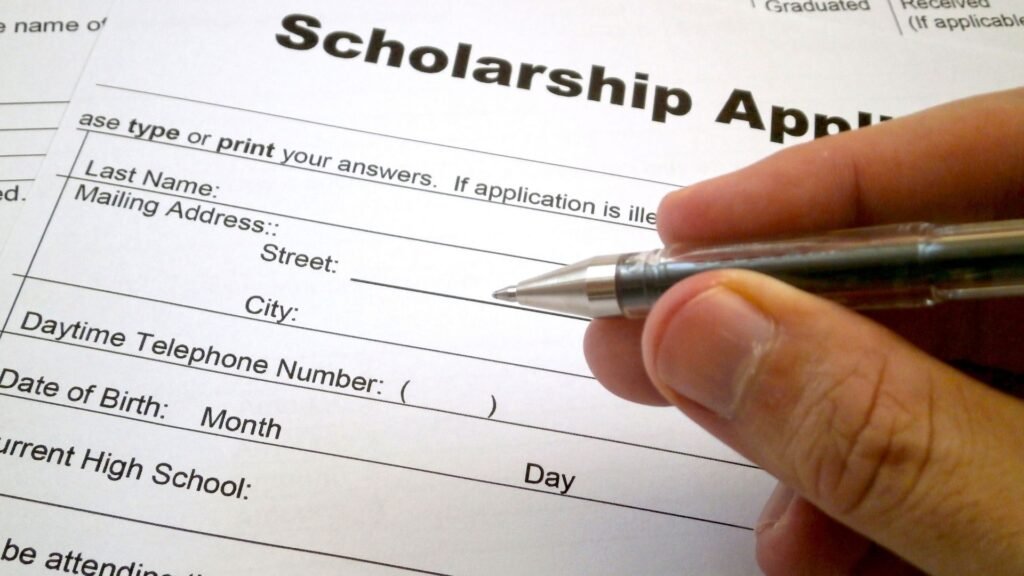
While submitting your Ivy League College Application is a significant step, it’s just one part of the admissions journey.
Financial aid planning runs parallel, and in many cases, it’s just as crucial.
Even if you’re targeting need-blind schools, you must ensure that all financial documents are submitted accurately and on time.
In addition, exploring external scholarships can ease the financial burden and offer more options when it’s time to make your final decision.
Ivy League schools are known for generous financial aid packages, especially need-based aid. However, they still require timely and complete documentation.
If you miss deadlines or make errors, you could be ineligible for specific grants, work-study programs, or need-based awards.
Here’s how to approach financial aid and scholarships post-submission:
1. Complete Required Financial Aid Forms Thoroughly and Promptly
- Submit the FAFSA (Free Application for Federal Student Aid) if you are a U.S. citizen or eligible non-citizen.
- Submit the CSS Profile, which most Ivy League schools require for institutional need-based aid.
- Gather financial documents like W-2s, tax returns, and asset statements in advance to avoid delays.
- Pay close attention to individual school deadlines, which may differ from general FAFSA/CSS dates.
Missing or incomplete forms can affect your aid package, even if you’re admitted.
2. Review Each College’s Financial Aid Requirements Carefully
- Visit the financial aid page of each Ivy League college you applied to. Each one may have additional forms or procedures.
- Some schools may require IDOC (Institutional Documentation Service) submissions through the College Board.
- Take note of whether the school offers merit-based aid (rare for Ivy League institutions) and what conditions apply.
- If your family’s financial situation changes after submission (e.g., job loss), reach out to financial aid offices to request reconsideration or additional guidance.
3. Apply for External Scholarships to Broaden Your Options
- Don’t rely solely on institutional aid. Thousands of private scholarships are available based on academics, leadership, community service, background, and career goals.
- Use reputable scholarship search platforms like:
- Fastweb
- Bold.org
- Scholarships360
- College Board BigFuture
- Fastweb
- Prepare a strong generic personal statement and resume to repurpose across applications.
- Keep a calendar with scholarship deadlines, requirements, and follow-ups.
Managing financial aid and scholarship applications can be overwhelming, but it is also empowering.
It ensures that you are in control of the affordability of your college journey.
By approaching this process proactively, you strengthen your options and remove financial uncertainty from the equation.
Essai Insights: Our advisors help you find lesser-known scholarships with lower competition and higher award value.
9. Don’t Spam the Admissions Office
Once your Ivy League College Application is submitted, it’s natural to feel eager or anxious.
But sending frequent or unnecessary emails to admissions officers can backfire. Every interaction should be meaningful and respectful.
Here’s how to communicate effectively:
1. Only Reach Out When Necessary
- Contact the office if something important is missing or if you need to clarify a requirement.
- Avoid sending emails just to “check in” or restate your interest without adding value.
2. Keep Messages Clear and Professional
- Include your full name and application ID in every message.
- Be polite, concise, and direct. Avoid emotional or overly casual language.
3. Don’t Overdo Updates
- Only share significant achievements (major awards, publications, new leadership roles).
- Do not send weekly updates or minor accomplishments; they can clutter your file.
Smart, timely communication shows maturity. Over-communication, on the other hand, can signal a lack of boundaries or awareness. Be strategic and intentional.
10. Protect Your Mental and Emotional Well-Being
After submitting your Ivy League College Application, it’s easy to feel anxious, restless, or overwhelmed.
The uncertainty of waiting, combined with peer pressure and constant comparison, can take a toll.
Prioritizing your well-being during this period is not only healthy but essential for staying balanced and focused.
Here’s how to care for your mindset during the wait:
1. Set Boundaries with College-Related Activity
- Limit how often you check portals and email (once or twice a week is enough).
- Avoid excessive time on forums or social media threads discussing admissions.
- Unsubscribe from unnecessary college newsletters that add to the noise.
2. Focus on Routine and What You Can Control
- Stay engaged with school, hobbies, exercise, and family.
- Stick to a daily routine that includes breaks, rest, and offline time.
- Set small, short-term goals to keep your energy forward-looking.
3. Acknowledge Stress, But Don’t Let It Take Over
- Talk to someone you trust if you feel anxious, friends, parents, mentors, or a counselor.
- Journal your thoughts or use mindfulness apps to manage stress.
- Remind yourself: one decision does not define your future.
Taking care of your emotional health now will not only help you navigate college admissions; it will also prepare you for the independence and resilience college life demands.
How Essai Supports You After Submission?
At Essai, we support students well beyond the application submission.
Our expert mentors help you navigate the critical post-submission phase with clarity and confidence, whether it’s preparing for alumni interviews, drafting strategic update letters, maintaining academic performance, or managing stress during the waiting period.
We offer tailored guidance on how to communicate effectively with admissions offices, stay organized with deadlines, and build a strong, sustained presence through extracurricular involvement.
With one-on-one mentorship, structured planning, and insights from former Ivy League advisors, Essai ensures that you remain proactive, composed, and ready for every opportunity that follows your submission.
Final Thoughts: Post-Submission Is a Strategic Phase
You may have submitted your Ivy League College Application, but your journey is still unfolding.
These 10 steps are designed to keep you aligned, confident, and resilient in the face of uncertainty. They also help you stand out in a pool of thousands of high-achieving applicants.
Whether you need guidance on crafting an update letter, prepping for an interview, or simply staying focused, Essai is here for you.
We combine elite mentorship with practical strategies to help students make smart, bold moves every step of the way.
FAQs
Q. Can I change something in my application after submission?
A: Generally, no. But significant updates (awards, publications, etc.) can be submitted through an official update or email, depending on the school’s policy.
Q. Will the schools tell me if something is missing?
A: Sometimes. But don’t rely on it; your best move is to monitor portals and follow up.
Q. What if I get deferred or waitlisted?
A: Continue strengthening your profile and prepare a compelling Letter of Continued Interest. Essai can help craft one.