
Are you wondering how Counselors in Ivy League College Admissions can transform your chances of getting into an Ivy League school in 2026?
Do top students still need expert guidance to unlock admission success? Could the right counselor make your Ivy League dream a reality?
If you’re a student aiming for Harvard, Yale, Princeton, or any Ivy League campus, you’ve likely asked yourself these questions many times.
The college admissions landscape has shifted dramatically. In 2026, it isn’t just about grades and test scores.
It’s about strategy, personal branding, storytelling, and navigating a highly competitive environment. That’s where Counselors in Ivy League College Admissions come in.
Today, we’ll explore the new role these counselors play, how they influence the admissions process, and what students must know to stand out in 2026.
Along the way, we’ll share insights designed to help you make smarter, data-driven decisions and show how Essai can support your journey discreetly yet effectively.
Why Counselors Matter More Than Ever

The importance of Counselors in Ivy League College Admissions has increased significantly in 2026 as the admissions process has become more competitive, complex, and unpredictable.
Below are the key reasons Counselors in Ivy League College Admissions matter more than ever today:
- Rising competition among top applicants: Thousands of students apply each year with excellent grades and test scores. Counselors help students stand out by identifying and shaping what truly differentiates their profile beyond academics.
- Shift to holistic admissions evaluation: Ivy League colleges now assess academics, extracurricular depth, leadership, values, and personal growth together. Counselors ensure these elements align into a cohesive, compelling narrative.
- Changing admissions policies and trends: Test-optional policies, evolving essay prompts, and new evaluation priorities require up-to-date knowledge. Counselors stay informed and guide students using current, relevant strategies.
- Strategic long-term planning: Ivy League admissions are built over several years. Counselors create structured roadmaps covering coursework, extracurricular development, summer programs, and leadership growth.
- Focused extracurricular positioning: Rather than encouraging random activity accumulation, counselors help students build depth, impact, and ownership in a few meaningful pursuits.
- Stronger essay and storytelling support: Essays are now one of the most decisive factors in admissions. Counselors coach students to communicate their experiences clearly, authentically, and thoughtfully.
- Effective time and stress management: The admissions process can feel overwhelming. Counselors help students manage deadlines, reduce last-minute pressure, and maintain emotional balance.
- Realistic guidance and expectation-setting: Counselors help students understand where they stand competitively and build balanced college lists that balance ambition with practicality.
Essai works alongside this counseling approach by providing structured guidance, expert insights, and personalized support that help students navigate Ivy League admissions with confidence.
In today’s admissions landscape, success comes from intention, clarity, and strategy. That is why Counselors in Ivy League College Admissions matter more than ever.
The New Role of Counselors in Ivy League Admissions in 2026

In 2026, Ivy League admissions are not just numbers. They are about meaningful impact, authenticity, and fit.
Universities evaluate applicants holistically. They look for leaders, innovators, thinkers, storytellers, and changemakers.
1. Deep Profile Assessment and Clarity Building
In 2026, Counselors in Ivy League College Admissions begin the admissions journey by understanding the student first, not the resume.
This stage focuses on clarity, direction, and long-term positioning, ensuring that every future decision supports a strong Ivy League narrative.
Instead of rushing into activities or essays, counselors slow the process down to build a clear foundation.
This phase includes a deep evaluation of:
- Academic trends over time: Counselors review performance across multiple years, not just final grades. They identify growth patterns, consistency, rigor, and improvement, helping students highlight intellectual progression rather than isolated results.
- Subject interests and intellectual leanings: Beyond choosing a major, counselors explore which subjects genuinely engage the student, where curiosity naturally appears, and how these interests can evolve into a focused academic story.
- Core strengths that can be developed further: Every student has natural strengths, leadership, creativity, analytical thinking, or initiative. Counselors identify these early and guide students toward opportunities that deepen and demonstrate these qualities over time.
- Weaknesses that need explanation or strategy: Grade dips, subject gaps, limited exposure, or changes in direction are addressed proactively. Counselors help students strengthen weak areas or frame challenges honestly and constructively within the application.
- Long-term academic and career direction: Ivy League colleges value intentionality. Counselors help students clarify future goals so coursework, activities, and essays align with a believable and coherent trajectory.
Why this stage matters:
- Prevents random or resume-driven decision-making
- Reduces wasted time on low-impact activities
- Creates a clear positioning framework for the entire application
- Helps students make confident, informed choices moving forward
Essai strengthens this clarity-building phase through structured profile assessments that help students identify their strongest positioning early.
2. Long-Term Strategic Roadmapping
Ivy League admissions success is built over years, not months. In 2026, last-minute preparation rarely leads to strong outcomes.
Instead of reacting to deadlines or trends, students follow a purposeful plan that evolves with their growth.
Counselors in Ivy League College Admissions create detailed roadmaps that include:
- Academic planning across grades: Counselors help students map coursework from early high school through senior year. This includes choosing the right level of rigor, balancing difficulty with performance, and aligning subjects with intended academic interests or majors.
- Skill development timelines: Ivy League colleges value transferable skills such as critical thinking, communication, research, and leadership. Counselors help students identify which skills need development and when, ensuring growth happens gradually and authentically.
- Extracurricular growth paths: Rather than joining many activities at once, counselors guide students to deepen involvement in a few meaningful areas. These paths show progression—from participation to leadership to impact.
- Summer programs and research opportunities: Summers are strategically planned, not wasted. Counselors help students choose internships, research projects, academic programs, or independent initiatives that strengthen their profile and align with long-term goals.
- Leadership and impact milestones: Counselors help students identify moments where they can take ownership, lead initiatives, or create measurable impact. These milestones demonstrate maturity and initiative over time.
Why long-term roadmapping matters:
- Reduces stress and last-minute panic
- Prevents scattered or unfocused activities
- Ensures steady, intentional profile growth
- Helps students make confident, informed decisions
Essai supports this planning approach by helping students visualize their admissions journey clearly and realistically.
3. Meaningful Extracurricular Development
In 2026, Ivy League colleges evaluate extracurriculars for substance, depth, and long-term commitment, not for how popular or impressive they appear on paper.
Simply joining multiple clubs or collecting titles no longer strengthens an application.
This shift is why Counselors in Ivy League College Admissions play a critical role in guiding students toward meaningful, impact-driven involvement.
Counselors begin by helping students identify genuine interests.
This step goes beyond surface-level hobbies.
They explore what truly motivates the student, which issues they care about, and where they are naturally willing to invest time and effort.
Once interests are clear, counselors help students convert those interests into sustained projects.
Rather than short-term participation, students are encouraged to build initiatives that develop over months or years.
This sustained engagement demonstrates commitment, growth, and intellectual curiosity.
Counselors also guide students to scale initiatives responsibly. Growth does not always mean doing more.
Equally important is learning how to document outcomes clearly. Ivy League admissions committees want evidence of impact.
Counselors help students track results, reflect on learning, and articulate outcomes in a way that is honest, measurable, and meaningful.
Instead of joining many clubs, counselors often guide students to pursue paths such as:
- Building a community initiative that addresses a real need and shows leadership over time
- Conducting long-term research aligned with academic interests and intellectual curiosity
- Creating educational platforms or resources that demonstrate initiative and problem-solving
- Leading advocacy programs that show commitment to social or global issues
Through this approach, Counselors in Ivy League College Admissions ensure that extracurricular activities reflect growth, ownership, and purpose, rather than surface-level participation.
Essai supports students by helping them position these extracurricular efforts effectively within applications.
4. Academic Positioning With Context
Strong academics are essential for Ivy League admissions, but numbers alone are not enough.
In 2026, admissions officers evaluate grades within the context of a student’s choices, rigor, and growth.
This is where Counselors in Ivy League College Admissions play an important role.
Counselors help students select challenging yet manageable coursework that reflects intellectual ambition without risking consistency.
They also ensure academic choices align with intended majors or interests, creating a clear academic direction.
They guide students in contextualizing academic changes, such as grade fluctuations or subject shifts, so these are understood rather than misunderstood.
Key areas counselors focus on:
- Academic rigor across the available curriculum
- Alignment between subjects and intended major
- Intellectual progression over time
- Honest explanation of academic challenges
Essai supports this process by helping students present their academic work clearly and coherently, ensuring admissions officers see not just performance but purpose.
What Do Ivy League College Counselors Actually Do?

Let’s dive deeper into how counselors help students navigate the Ivy League process.
1. Create Personalized Roadmaps
Top counselors begin with an assessment.
They consider:
- Academic performance
- Standardized test history
- Extracurricular involvement
- Personal interests and goals
- Essay strengths and weaknesses
Then they build a timeline with milestones.
This roadmap keeps students organized, focused, and confident — reducing last-minute stress.
Counselors in Ivy League College Admissions ensure that every task has a purpose aligned with admission priorities.
2. Strengthen Academic Profiles
Counselors help students make academic decisions that matter:
- Choosing rigorous but balanced coursework.
- Identifying advanced classes that reflect interest depth.
- Aligning courses with intended majors when appropriate.
They also advise on summer programs, research opportunities, and academic competitions.
Essai’s advisors work with students to identify strategic academic opportunities that align with their profile and goals.
3. Coach Essay Writing (The Heart of the Application)
Great essays can make or break an application.
Counselors help students:
- Brainstorm ideas
- Organize essays around themes
- Improve storytelling quality
- Edit for clarity and impact
- Avoid common clichés
Students who work with counselors often write essays that are memorable, authentic, and emotionally resonant.
This is one area where Counselors in Ivy League College Admissions truly make a difference.
4. Prepare for Interviews
Some Ivy League schools require or recommend interviews.
Counselors help students:
- Practice mock interviews
- Develop compelling speaking points
- Answer behavioral questions
- Show confidence without arrogance
This preparation builds comfort and poise, qualities that interviewers value.
5. Navigate Application Platforms
From the Common App to Coalition and school-specific supplements, application platforms can be confusing.
Counselors provide:
- Checklist management
- Deadline tracking
- Quality control for every section
Counselors in Ivy League College Admissions ensure nothing important is missed.
How to Choose the Right Counselor?

Not all counselors are the same. Quality matters.
Here’s what to look for:
- Proven Track Record: Choose counselors with a history of guiding students to Ivy League acceptances.
- Expert Knowledge: Counselors should understand current policies and trends.
- Personalized Approach: Avoid cookie-cutter solutions.
- Communication Skills: Clear, consistent updates are essential.
- Access to Resources: Tools like mock interviews, essay reviews, and strategy sessions are valuable.
At Essai, our team combines data insights, personal mentorship, and strategic planning to empower applicants.
Common Misconceptions About Counselors

Let’s clear up some myths:
Myth #1: “Counselors can guarantee admission.”
Reality: No counselor can guarantee acceptance. What they can do is maximize your potential and strategically present your strengths.
Myth #2: “Only students with perfect scores need counselors.”
Reality: Counselors help all students, from high achievers to those with unique stories but average scores.
Myth #3: “College counselors write essays for students.”
Reality: Ethical counselors coach students. The voice must be the student’s own.
Understanding these differences helps you make smarter choices.
Tips to Maximize Your Counseling Experience

Here’s how to get the most out of your counselor and make your Ivy League preparation more effective and focused:
- Start early: The earlier you begin, the more time you have to build a strong academic and extracurricular profile with intention rather than pressure.
- Be honest and transparent: Share your real goals, concerns, and challenges. Honest communication allows counselors to guide you with accurate and personalized strategies.
- Engage actively throughout the process: Don’t wait for deadlines or reminders. Ask questions, seek feedback, and stay involved in planning and decision-making.
- Practice regular self-reflection: Strong applications come from insight and growth. Reflect on your experiences, learning, and motivations to strengthen essays and interviews.
- Stay organized and disciplined: Use timelines, checklists, and reminders to keep track of tasks, milestones, and deadlines.
Following these practices helps reduce stress, improve clarity, and significantly enhance the overall quality of your Ivy League application.
How Essai Supports Your Ivy League Journey
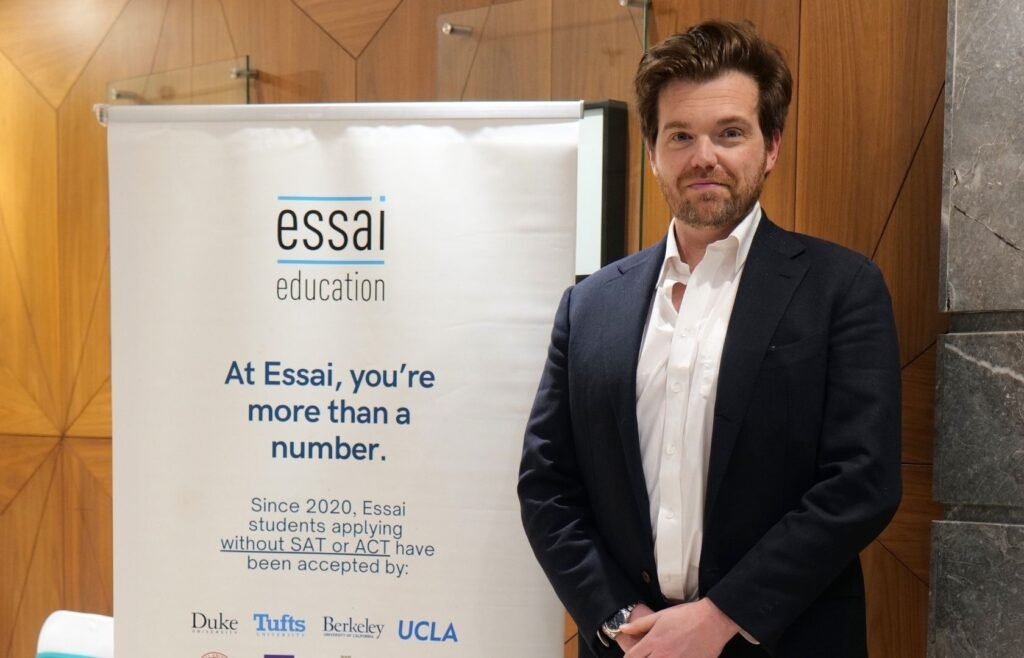
At Essai, we understand that Ivy League admissions are not just about academics, but about long-term personal growth and clarity of direction.
Our approach focuses on:
- Strategic planning
- Personalized mentorship
- Data-informed guidance
- Holistic student growth
- Confidence building
Essai’s support enhances, not replaces, a student’s voice in the application.
Our team works alongside Counselors in Ivy League College Admissions to help students become competitive and memorable applicants.
Essai provides support through:
- Essay brainstorming and editing
- Interview coaching
- Academic and extracurricular planning
- Application strategy and review
- Goal-setting sessions
With Essai, students move through the Ivy League admissions process with structure, guidance, and confidence.
Ready to get started?
In 2026, Ivy League admissions are more competitive and nuanced than ever.
Counselors in Ivy League College Admissions play a pivotal role in helping students highlight their strengths, craft compelling narratives, and approach the process strategically.
Whether it’s developing essays, preparing for interviews, or planning meaningful activities, expert counsel makes your journey more organized and impactful.
At Essai, we champion personalized guidance. We support students with tools and mentorship designed to help them rise above the competition, without losing their authentic voice.
Your Ivy League dream deserves clear strategy, deep insight, and empowered action.
Let Essai help you stand out, not by chance, but by design.
FAQs
Q: What exactly do Counselors in Ivy League College Admissions do?
A: They guide students strategically through planning, essays, interviews, and application decisions to enhance competitiveness.
Q: When should I start working with a counselor?
A: Ideally, by sophomore or junior year, so you can build a strong profile and timeline.
Q: Can counselors guarantee Ivy League acceptance?
A: No, but they maximize your potential and help you present your best application.
Q: How much does counseling cost?
A: Costs vary widely. Essai offers flexible programs designed to match different goals and budgets.