
If you’ve been following US university admissions closely, you’ve likely noticed a quiet but powerful transformation. The system is not just becoming more competitive; it is becoming more intentional.
In 2026, universities will no longer simply evaluate what you have achieved. They are trying to understand how you think, how you learn, and how you adapt to change.
This shift is important because it creates a new kind of opportunity. Students who understand these changes early are no longer just applicants. They become aligned candidates.
Let’s look at the seven academic shifts shaping US universities right now.
1. AI Is Becoming a Core Academic Skill

Artificial Intelligence is no longer an external tool that students occasionally use. It is now deeply integrated into how universities operate, teach, and assess.
Many institutions are incorporating AI into coursework, research, and even academic support systems. Some are also experimenting with AI-assisted admissions processes to handle the increasing complexity of applications.
This does not mean universities want students to rely blindly on AI. In fact, the opposite is true. They are now observing how students use AI with intention.
Students who can demonstrate thoughtful engagement with AI, such as using it for research support, idea generation, or efficiency, are seen as more prepared for the future. What matters is not avoidance, but awareness.
2. Interdisciplinary Thinking Is Replacing Rigid Majors
The traditional idea of choosing one subject and staying within it is gradually fading. Universities are redesigning their programs to reflect how real-world problems actually work.
Today’s challenges, whether in climate change, healthcare, or technology, do not belong to a single discipline. As a result, universities are encouraging students to think across boundaries.
You will see more programs that combine fields such as data science and public policy, or biology and technology. Even highly structured fields like computer science are expanding into areas like artificial intelligence, ethics, and human behavior.
For students, this means that clarity is no longer about choosing one subject. It is about showing how your interests connect and evolve.
3. Skills Are Starting to Compete With Degrees
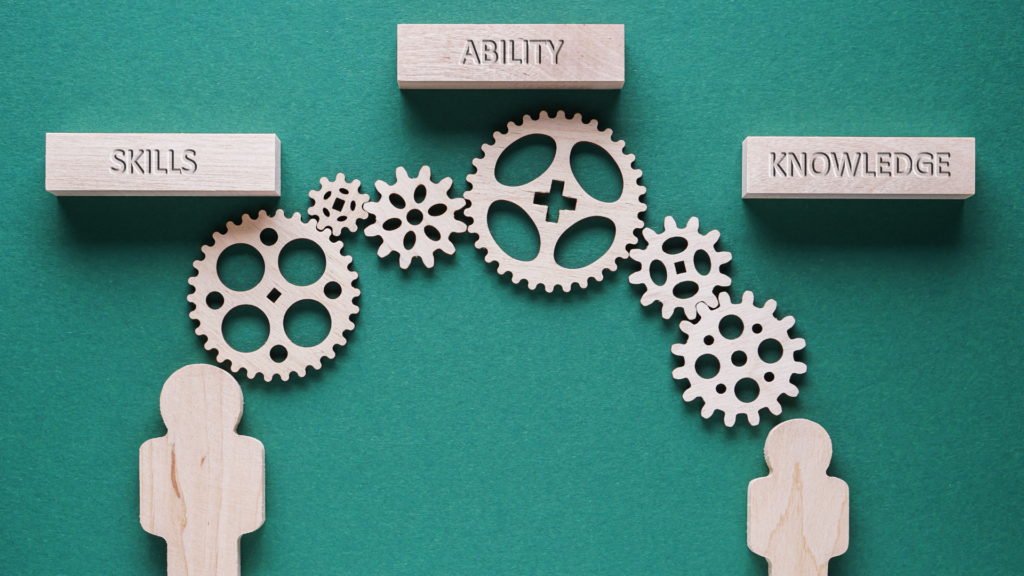
Another major shift is the growing importance of skills over traditional academic credentials.
The rise of certifications, independent learning platforms, and project-based work has changed how learning is measured. Universities are recognizing that students can now build meaningful skills outside the classroom.
This does not reduce the value of a degree. Instead, it adds a new layer of evaluation. Students are expected to show not just what they have studied, but what they can actually do.
A student who has built a real-world project, contributed to research, or developed a solution to a problem often stands out more than someone with only strong grades.
4. Learning Is Becoming More Flexible and Self-Directed

The structure of education itself is evolving. The idea that learning only happens in classrooms is no longer accurate.
Universities are increasingly offering flexible formats, including hybrid learning, online modules, and self-paced courses. This shift is not just about accessibility. It reflects a deeper belief that students should take ownership of their learning.
As a result, universities are paying closer attention to how students learn outside formal environments. Independent exploration, online courses, and self-initiated projects are becoming strong indicators of academic curiosity.
Students who show that they can learn without being told what to do are seen as more adaptable and future-ready.
5. Humanities Are Regaining Importance in an AI World

At first glance, it might seem as if technology is completely dominating education. However, 2026 is also seeing a renewed emphasis on human-centered disciplines.
As AI becomes more capable, universities are recognizing the importance of skills that machines cannot easily replicate. These include critical thinking, ethical reasoning, communication, and creativity.
This has led to a subtle but important shift. Humanities are no longer viewed as secondary to technical fields. Instead, they are becoming essential complements.
Students who can combine technical knowledge with human insight are emerging as particularly strong candidates. They bring balance to an increasingly automated world.
6. Universities Are Adapting to Changing Applicant Pools
Demographic and global changes are influencing who applies to US universities. As traditional college-age populations decline in some regions, universities are broadening their focus.
They are actively looking at international students, non-traditional learners, and individuals with diverse academic paths. This creates a more varied and dynamic applicant pool.
However, this does not mean admissions are becoming easier. It means universities are becoming more selective in terms of fit and clarity.
Students who can clearly explain their academic direction and purpose are more likely to stand out than those who follow generic paths.
7. Education Is Becoming Outcome-Focused
Perhaps the most significant shift is how universities define success.
There is increasing pressure on institutions to demonstrate real-world outcomes. This includes career readiness, skill development, and long-term impact.
As a result, academic programs are being designed with a stronger connection to industry and practical application. Universities are asking not just what students learn, but what they will do with that knowledge.
For students, this changes how applications are evaluated. It is no longer enough to show interest in a subject. You must show intent and direction.
A student who can articulate how their academic journey connects to real-world impact is far more compelling.
What These Shifts Mean for Students

When you look at these changes together, a clear pattern emerges. US universities are moving away from a system that rewards passive achievement. They are moving toward one that values active, thoughtful engagement.
The strongest applicants in 2026 are not necessarily the ones with the most activities or the highest scores. They are the ones who demonstrate:
- Clarity in their interests
- Depth in their work
- Awareness of the world around them
These qualities signal readiness for a rapidly changing academic and professional landscape.
The Opportunity Hidden in These Changes
It is easy to interpret these shifts as making admissions more complex. But in reality, they are making the process more fair for students who think differently.
You no longer need to follow a fixed formula. In fact, following one too closely can make your application look predictable.
Instead, the advantage lies in understanding the direction universities are heading and aligning your efforts accordingly.
Final Thought
The academic landscape of US universities in 2026 is not about doing more. It is about doing what matters, with intention.
Students who recognize these shifts early are not just preparing applications. They are building profiles that make sense in a changing world.
At Essai, this is exactly where the focus lies. Through insights, strategy, and personalized guidance, students learn how to navigate these changes with clarity and confidence.
In an evolving system, the goal is not to keep up. It is to stay ahead.
FAQs
1. Are US universities becoming more difficult to get into in 2026?
Not necessarily. They are becoming more selective in terms of fit and direction, which means students with clarity and purpose often have an advantage.
2. Do grades still matter as much as before?
Grades remain important, but they are no longer the only factor. Skills, projects, and real-world engagement are playing a bigger role.
3. How important is AI knowledge for applicants today?
AI awareness is becoming increasingly important. Universities expect students to understand and use it responsibly rather than avoid it.
4. What should students focus on now?
Students should focus on deepening their interests, developing real skills, and aligning their academic journey with future goals.