

For decades, the United States has remained one of the most attractive destinations for higher education. Students from across the world choose American universities not just for their reputation, but for the academic environment they offer.
Studying in the US often means more than attending lectures and passing exams. It means entering a learning ecosystem where curiosity is encouraged, research is accessible, and students can shape their own intellectual journey.
What makes this system particularly exciting is the variety of academic opportunities available. From undergraduate research to interdisciplinary programs, US universities offer experiences that are difficult to replicate elsewhere.
Let’s explore five unique academic opportunities students experience at US universities, opportunities that continue to attract global talent year after year.
1. Undergraduate Research Opportunities from the Start

One of the defining characteristics of US universities is the strong emphasis on research, and importantly, this is not limited to graduate students.
At many institutions, undergraduate students can participate in research projects early in their academic journey. They may work alongside professors in laboratories, assist in social science studies, analyze economic data, or contribute to engineering prototypes.
This approach transforms students from passive learners into active contributors to knowledge.
Universities such as the Massachusetts Institute of Technology, Stanford University, and many large public universities actively encourage undergraduate research programs. These initiatives allow students to gain hands-on experience while exploring real-world problems.
For example, the National Science Foundation’s Research Experiences for Undergraduates (REU) program connects students with funded research projects across the country.
Such experiences help students build critical thinking skills, learn research methodologies, and sometimes even publish academic papers before graduation.
For international students, this exposure to research can be transformative. It provides insight into how knowledge is created and prepares them for careers in academia, industry, or innovation-driven sectors.
2. Interdisciplinary Learning and Flexible Majors

Another distinctive feature of US universities is their flexibility in academic programs.
Unlike many education systems that require students to specialize immediately, American universities often allow students to explore multiple disciplines before declaring a major. This structure encourages intellectual exploration and helps students make more informed academic decisions.
Students can combine fields such as:
- Computer science and economics
- Biology and public policy
- Psychology and data science
- Engineering and entrepreneurship
This flexibility is supported by an academic structure that values interdisciplinary thinking.
According to TopUniversities, US institutions are known for allowing students to tailor their academic paths through electives, minors, and double majors.
https://www.topuniversities.com/student-info/studying-abroad/why-study-us
This means a student interested in climate change might combine environmental science, economics, and public policy into one cohesive academic journey.
In a world where complex problems rarely belong to a single discipline, this kind of education prepares students to think broadly and creatively.
3. Access to Cutting-Edge Labs and Innovation Centers

US universities are often at the forefront of scientific and technological innovation.
Many campuses house advanced research labs, innovation hubs, and entrepreneurship centers where students can experiment with new ideas and technologies.
These spaces allow students to:
- Prototype new products
- Conduct experiments in advanced facilities
- Collaborate with faculty researchers
- Explore emerging fields such as artificial intelligence, robotics, and biotechnology
Universities like Carnegie Mellon, Georgia Tech, and the University of California system have become global leaders in innovation, partly because of the resources available to students.
The United States also invests heavily in university research and development. According to the National Science Foundation, US universities conduct billions of dollars in research annually across multiple disciplines.
For students, this means access to tools, technologies, and mentorship that can accelerate their academic growth.
It’s not uncommon for student-led projects to evolve into startups, patents, or published research.
4. Internship Integration and Industry Exposure

Another powerful academic advantage of studying in the US is the integration of real-world experience into university education.
Many programs encourage students to participate in internships, cooperative education programs, or industry collaborations during their studies.
This allows students to apply classroom knowledge in practical environments.
Universities often maintain strong relationships with companies in industries such as:
- Technology
- Finance
- Healthcare
- Engineering
- Media and communication
Students gain exposure to professional environments while still in school, helping them understand how academic concepts translate into real-world solutions.
Organizations such as NACE (National Association of Colleges and Employers) highlight that internships significantly improve employment outcomes for graduates.
For international students, these opportunities provide valuable professional exposure and help build global networks that can shape future careers.
5. Collaborative Learning and Open Classroom Culture

Perhaps one of the most distinctive aspects of US universities is the culture inside the classroom.
Unlike traditional lecture-only systems, American universities often emphasize discussion, collaboration, and active participation.
Students are encouraged to:
- Ask questions
- Debate ideas
- Present research
- Work on group projects
- Challenge assumptions respectfully
This learning model helps students develop skills beyond academic knowledge, including communication, leadership, and analytical thinking.
Classrooms become environments where ideas are tested, refined, and expanded through dialogue.
Many international students initially find this approach surprising, but they often discover that it builds confidence and encourages deeper engagement with academic material.
The goal is not simply memorization; it is intellectual exploration.
Why These Opportunities Matter for Global Students
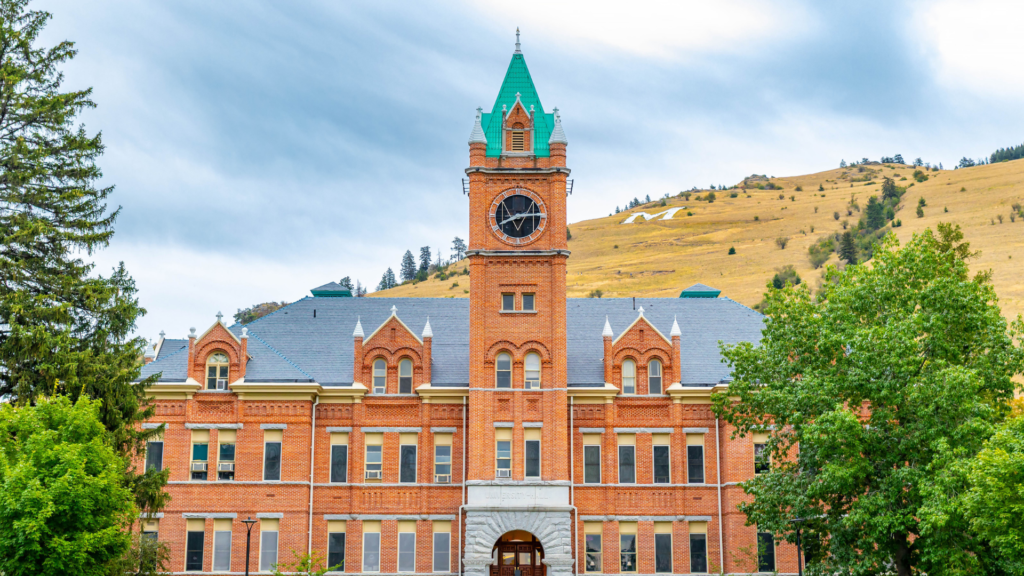
The opportunities described above reflect a broader philosophy within US higher education: education should extend beyond textbooks.
Students are expected to explore ideas, conduct research, collaborate across disciplines, and engage with real-world challenges.
This approach creates graduates who are not only knowledgeable but also adaptable, innovative, and globally aware.
For international students, the experience can be particularly powerful.
They gain exposure to new perspectives, build relationships with peers from around the world, and develop skills that prepare them for leadership in global industries.
Final Thoughts

US universities continue to attract global students because they offer more than degrees; they offer an environment where curiosity is rewarded, and ambition is supported.
Opportunities such as undergraduate research, interdisciplinary study, innovation labs, industry exposure, and collaborative learning make the academic experience dynamic and transformative.
For students considering studying in the United States, understanding these opportunities is an important first step toward making informed decisions about their educational journey.
If you’re exploring international education and want insights on building a strong academic profile for US universities, you can explore more resources and guidance on the Essai blog.
The path to studying in the US begins with curiosity, and with the right guidance, that curiosity can lead to extraordinary opportunities.