

Some of the world’s most consequential companies started as student projects. Instagram, Patreon, Lime, and WHOOP all trace their origins to a university innovation environment where a student had an idea, a community around them, and enough institutional support to turn that idea into something real. This is not luck. It is design.
University incubators and innovation labs have become one of the most important features of the top US university ecosystem in 2026, and increasingly, they are a serious factor in how ambitious students evaluate where to apply.
A study of more than 150 university incubators and almost 900 companies found that you’re more likely to succeed as an entrepreneur if you launch your next idea inside a university-located incubator.
The infrastructure, mentorship, peer quality, and alumni networks that the best programmes provide are genuinely difficult to replicate outside of a university context.
Here are seven of the best, based on outcomes, resources, and what they offer students right now.
1. The Garage — Northwestern University
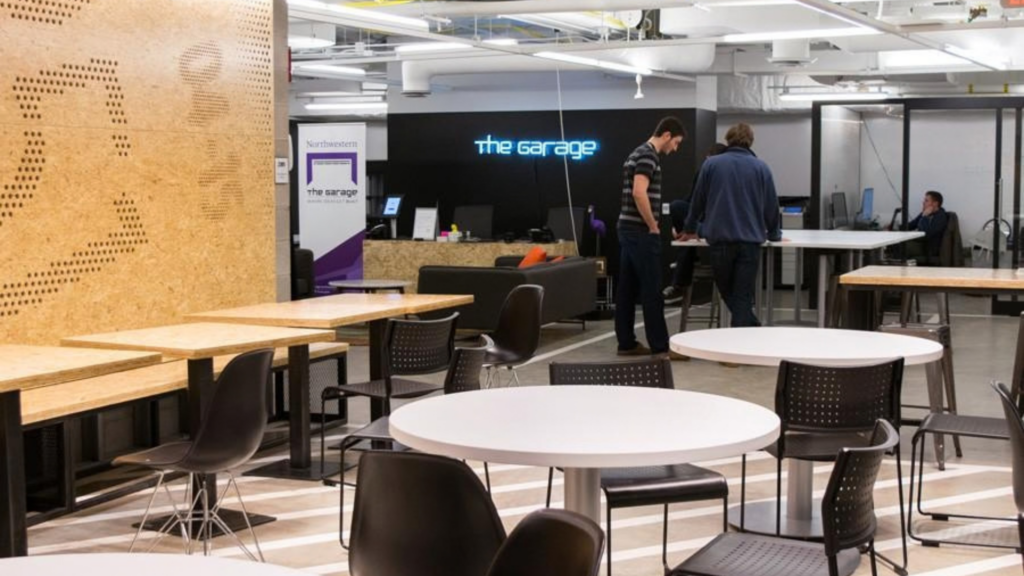
The Garage just became the most decorated student startup incubator in the United States.
In August 2026, The Garage at Northwestern University was named the number one university incubator and number five overall by TIME magazine on its inaugural America’s Best Incubators and Accelerators list, a ranking that historically has been dominated by Silicon Valley and New York-based programmes.
Since its founding, The Garage has incubated more than 1,500 startups that have collectively raised more than $1.6 billion and created more than 2,600 jobs, including 17 startups that have been acquired.
The programme houses approximately 90 student-founded startups per academic quarter and coordinates programmes and events open to all Northwestern students to work on innovation projects outside of their standard coursework.
What makes The Garage particularly compelling for student founders is its ownership model: The Garage takes no equity or ownership in student ventures, giving founders access to space, mentorship, and community while allowing them to retain full ownership of what they build.
For a student who has not yet had the chance to demonstrate their company’s value to investors, this is one of the most founder-friendly structures available at any university.
2. Harvard Innovation Labs — Harvard University
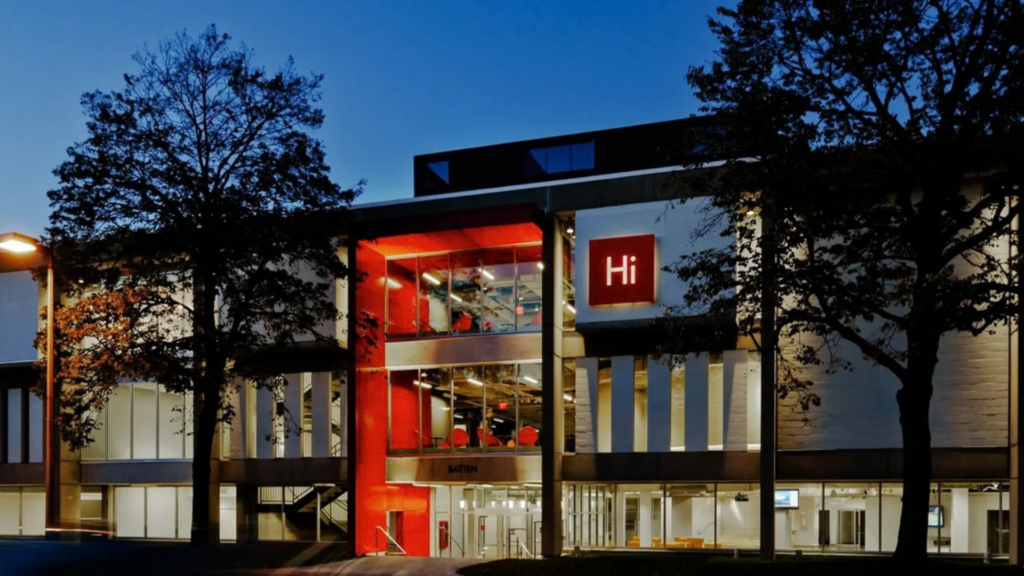
Harvard Innovation Labs was also recognised by TIME and Statista as one of America’s Best Incubators and Accelerators 2026, cementing its position as one of the most productive university innovation environments in the world.
In the 2025-2026 academic year alone, the Harvard Innovation Labs served more than 3,000 student members, representing roughly 11 percent of the Harvard student body a scale of engagement that very few university innovation programmes have achieved.
Since 2011, the i-lab has supported more than 7,000 ventures that have collectively raised $15 billion.
Notable alumni include WHOOP, the wearable performance tracking company whose founder, Will Ahmed, built early prototypes at the i-lab during its very first year and which has since grown into a billion-dollar company.
The i-lab is structured across three distinct programmes: the Student i-lab for undergraduate and graduate students from all 13 Harvard schools, the Alumni Launch Lab for post-graduation founders, and the 2026-27 Harvard Climate Circle Accelerator for ventures advancing climate solutions, which just welcomed more than 30 ventures into its latest cohort.
Students from any discipline, from computer science to public policy to the arts, are invited to become members and turn their ideas into impact.
3. MIT delta v — Massachusetts Institute of Technology
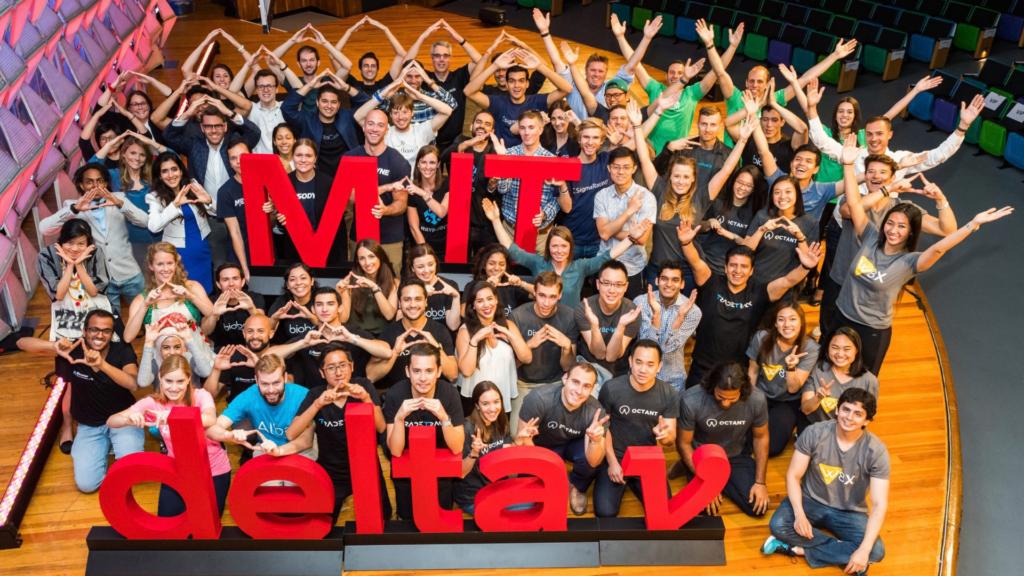
MIT delta v marked its 15th Demo Day in 2026, and the programme continues to produce some of the most technically rigorous student startups in the world.
This year’s cohort comprised 13 teams and 28 founders working across biotechnology, healthcare, artificial intelligence, cybersecurity, robotics, finance, and manufacturing, a breadth that reflects MIT’s unique capacity to produce founders who are working at the scientific frontier.
The Martin Trust Center for MIT Entrepreneurship managing director Bill Aulet characterised the 2026 cohort as hackers, hustlers, and hipsters together working to build great companies.
MIT Delta V has sharpened its focus to serve as an accelerator for students who are already committed to building a company and developing as founders and CEOs, providing up to $20,000 in equity-free milestone funding per venture alongside $2,000 per month for living expenses and the opportunity to pitch to investors at MIT Demo Days.
Startups to emerge from recent cohorts include a trust layer for AI agents, an autonomous underwater vehicle for overboard rescues, a hands-free pump for mobile blood transfusions, and AI diagnostics for property owners the kind of deep technology problems that only MIT’s research infrastructure could credibly support at the student level.
4. StartX — Stanford University
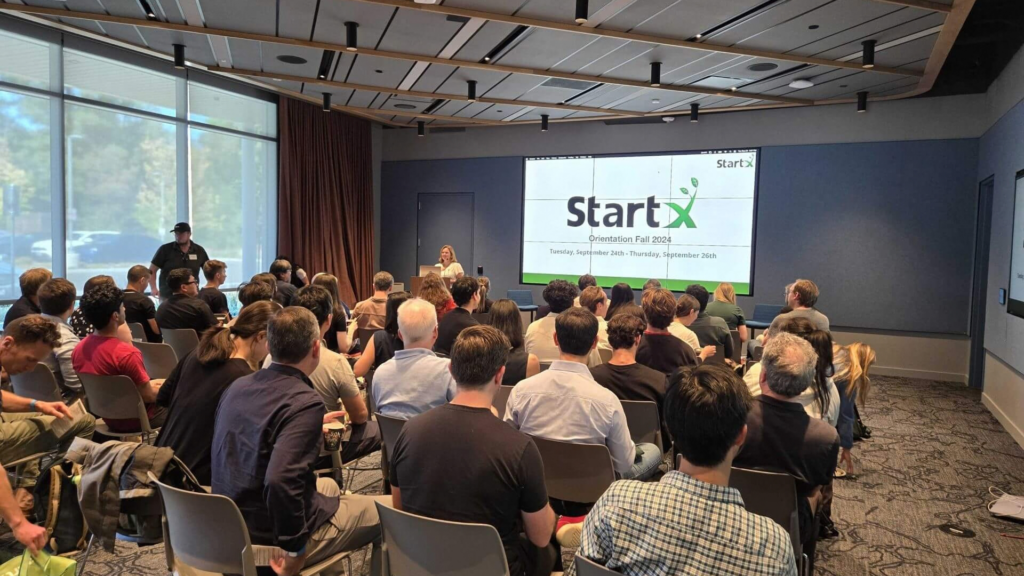
StartX is one of the most unusual accelerators in the country: it takes zero equity, charges zero fees, and describes itself not as an accelerator but as a community. That framing reflects something real about how StartX operates.
Rather than a transactional funding relationship, StartX offers Stanford-affiliated founders a network of serial founders, industry experts, Stanford faculty, and well-funded growth-stage startups that functions as a genuine peer community for life.
StartX has helped more than 700 startups achieve a combined valuation of over $26 billion, with notable alumni including Lime, Life360, and Patreon. Full-time StartX companies raise an average of $7.2 million in funding.
StartX runs two core programmes: the Accelerator, a 12-week full-time track for scaling startups, and the Fellowship, designed for student entrepreneurs building a company while still in school, which includes grant and summer stipend opportunities alongside access to 150-plus exclusive events per year.
The trade-off is clear and honest: StartX is only available to people with a Stanford connection. But for Stanford students who are serious about building companies, it is one of the most founder-friendly programmes of any kind, anywhere in the world.
5. SkyDeck Berkeley — University of California, Berkeley
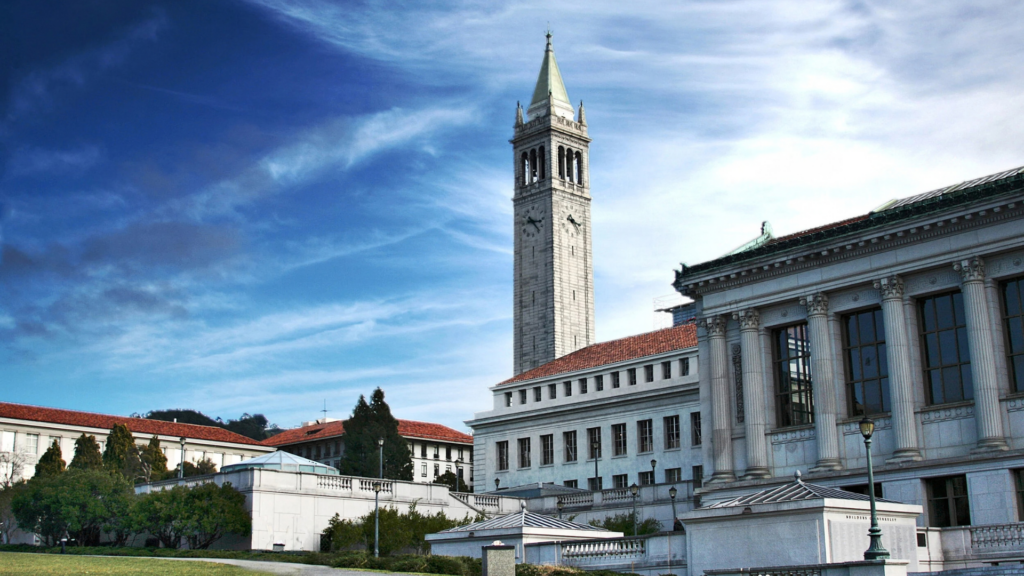
SkyDeck Berkeley is UC Berkeley’s official startup accelerator and one of the most actively funded university-affiliated programmes in the United States.
Since its founding in 2012, SkyDeck has supported nearly 500 startups across its investment and acceleration programmes, achieving more than 30 exits and a combined portfolio valuation that continues to grow.
SkyDeck provides startups with a $200,000 initial investment in exchange for 7.5 percent equity via a post-money SAFE, alongside access to 850-plus advisors, UC Berkeley faculty, and a 500,000-plus alumni network.
The programme is open to startups from across the entire University of California system, not just Berkeley, which broadens the founder pool and deepens the network effects available to each cohort.
Berkeley’s location in the Bay Area directly adjacent to Silicon Valley gives SkyDeck founders access to a venture capital ecosystem that no other geography in the world can match.
The programme combines a six-month acceleration track with direct investment and one of the largest public university alumni networks on the planet, creating a pipeline to funding and partnership that has been proven across hundreds of ventures.
6. Startup Garage — Stanford University
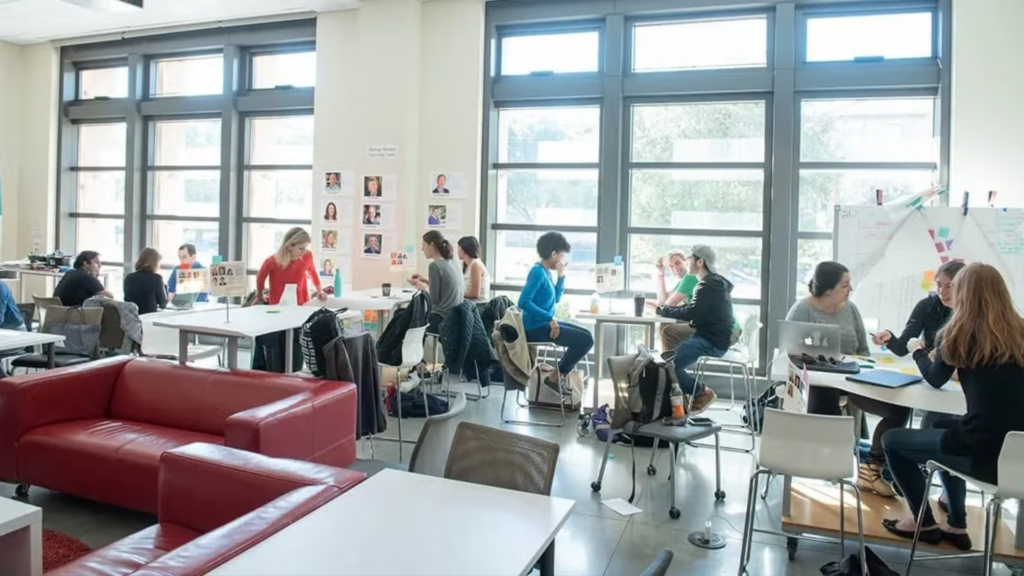
Separate from StartX, Stanford’s Startup Garage programme sits within the Center for Entrepreneurial Studies at the Stanford Graduate School of Business and has one of the most remarkable alumni records of any university entrepreneurship programme in the world.
Notable startups to emerge from the Startup Garage include Instagram, Trulia, and StubHub, companies that collectively transformed multiple industries and generated billions of dollars in value.
The Startup Garage is structured as a two-quarter course sequence in which student teams work through the full cycle of entrepreneurial discovery, moving from problem identification through customer research, prototyping, and investor presentation.
The programme is designed to teach the discipline of entrepreneurship through practice, not theory, embedding the real texture of the founding experience into an academic structure.
Stanford’s broader entrepreneurship ecosystem, which includes StartX, the Venture Studio, and the Stanford Engineering Entrepreneurship Programme, means that students who go through Startup Garage are surrounded by a full spectrum of institutional support at every stage of company building.
7. Venture Lab — University of Pennsylvania

Penn’s Venture Lab is the university’s flagship platform for student and alumni entrepreneurship and one of the most comprehensively resourced innovation environments at any Ivy League institution.
The Venture Lab provides early-stage entrepreneurs with workspace, mentorship, funding connections, legal resources, and a direct pipeline into Penn’s powerful alumni and investor network.
What makes Venture Lab particularly distinctive is its proximity to both Wharton and Penn Engineering, giving student founders access to business expertise and technical depth in equal measure from the same institution.
Penn alumni have founded companies including Warby Parker, 23andMe, and ClassPass, reflecting a culture of entrepreneurship that has been building at Penn for decades and that is now institutionally supported through the Venture Lab ecosystem.
The Venture Lab runs several flagship programmes including Penn Founders and the Y-Prize Competition, which challenges interdisciplinary student teams to identify the best commercial application for a specific emerging technology.
It also offers the President’s Innovation Prize, which awards up to $100,000 in equity-free funding to student ventures committed to making an immediate and positive impact on the world.
What This Means for Your US University Application
The existence and quality of a university’s entrepreneurship infrastructure is not a minor feature.
For students who know they want to build something and have already developed a sense of what problem they want to solve and what kind of founder they want to become, the incubator and innovation lab environment at their target university is one of the most important things to research and reference in their application.
Admissions teams at schools like Northwestern, MIT, Stanford, and Penn are looking for students who will actively contribute to and benefit from their entrepreneurship ecosystems.
Demonstrating awareness of a specific programme, explaining how it connects to a project or interest you have been developing, and articulating a clear entrepreneurial direction in your essays signals exactly the kind of purposeful, initiative-taking profile that these universities seek.
At Essai, we help students develop that sense of direction and translate it into application materials that communicate genuine intent.
From identifying the right programmes to building the essays that make admissions officers take notice, our team has supported students into some of the most competitive and entrepreneurially rich universities in the world.
Visit essai.in/consult to start building the profile that opens the right doors.
Essai has supported hundreds of students into offers at top US and UK universities since 2014. Our personalised, long-term approach is designed to help every student find and tell their most compelling story.